


How to Identify and Fix Common Car Noises
Experiencing strange car noises? Learn how to identify and fix common car noises before they become costly repairs. At Acton Service Centre, we help car owners understand the sounds their vehicles make—what they mean and how to fix them. Whether you’re a seasoned driver or a new car owner, knowing how to deal with these noises will help you protect your car’s performance and avoid serious issues.
Common Car Noises and Their Causes
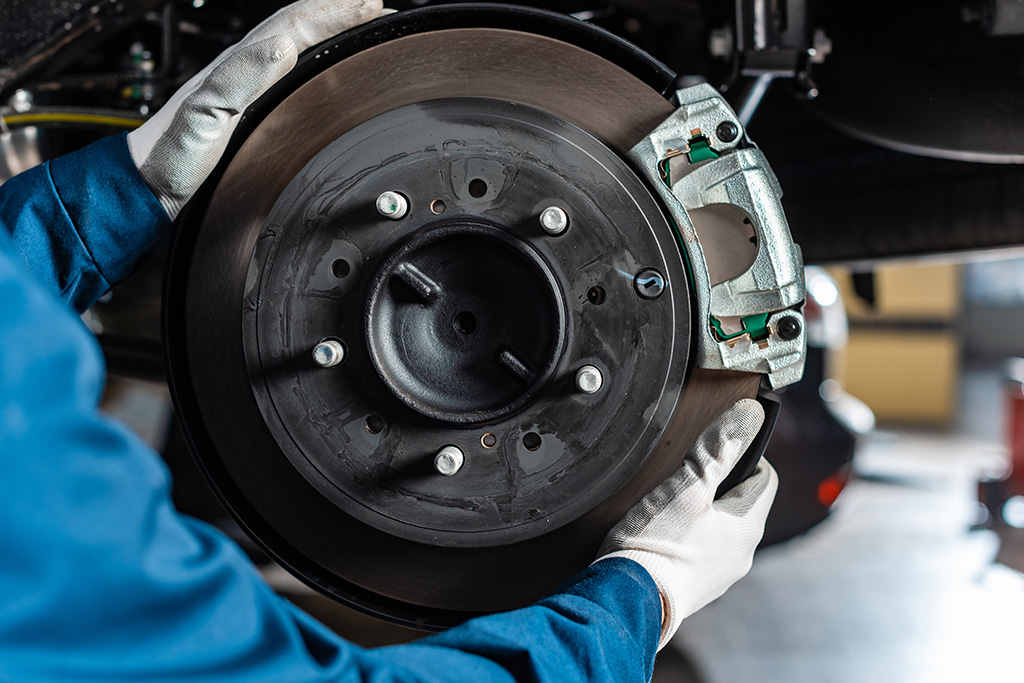
1. Squealing Brakes
Cause: Worn brake pads
Fix: Replace brake pads
If you hear a high-pitched squeal when applying the brakes, it usually indicates that your brake pads are worn out and need replacing. Ignoring this noise can lead to more severe damage to the brake rotors and calipers. For more details on brake maintenance, visit our Brake Repair Services.
2. Knocking Engine

Cause: Low oil level or engine wear
Fix: Check and refill oil, inspect engine components
A knocking sound from the engine could mean that the oil level is too low or that there is significant wear on engine components. Regular oil changes and maintenance can prevent this issue. Learn more about our Engine Repair Services.
3. Grinding Gears
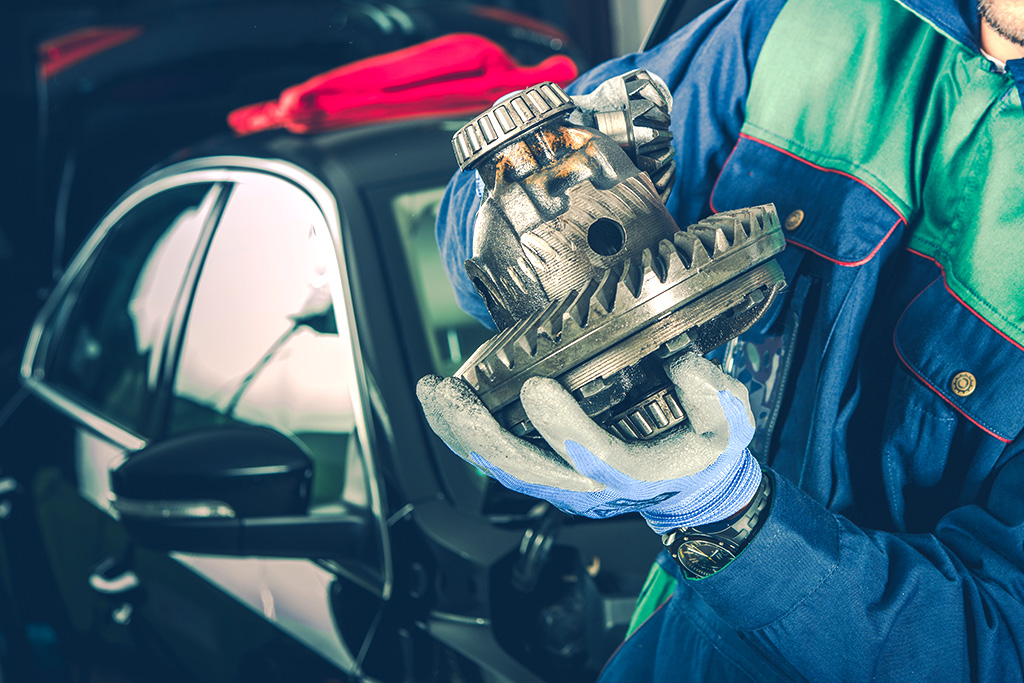
Cause: Worn clutch or transmission issues
Fix: Replace clutch, inspect transmission
Grinding noises when shifting gears typically point to a worn-out clutch or problems within the transmission. Prompt attention is necessary to avoid further damage.
4. Hissing Under the Hood

Cause: Leaking coolant or vacuum
Fix: Inspect and repair leaks
A hissing sound from under the hood usually means there’s a leak in the coolant system or a vacuum hose. Addressing these leaks promptly is crucial to prevent overheating or engine inefficiency.
5. Rattling Exhaust

Cause: Loose exhaust components
Fix: Tighten or replace exhaust partsA rattling noise from the exhaust system could be due to loose components or a damaged exhaust pipe. Ensuring that these parts are securely fastened can eliminate the noise and improve your car’s performance.
6. Clicking When Turning
Cause: Worn CV joints
Fix: Replace CV joints
Clicking noises when turning often indicate worn CV (constant velocity) joints, which are crucial for transferring power to the wheels. Replacing these joints will resolve the noise and restore smooth driving.
7. Whining Steering
Cause: Low power steering fluid or worn steering components
Fix: Refill power steering fluid, inspect steering system
A whining sound when turning the steering wheel can suggest low power steering fluid or worn steering parts. Regular checks and maintenance can prevent steering issues.
8. Rumbling Tires

Cause: Uneven tire wear or alignment issues
Fix: Rotate or replace tires, perform alignment
Rumbling noises from the tires can result from uneven wear or alignment problems. Regular tire rotation and alignment can ensure smooth and quiet driving.
9. Tapping Engine

Cause: Valve lifter issues or low oil pressure
Fix: Adjust valve lifters, check oil pressure
Tapping sounds from the engine might be due to issues with the valve lifters or low oil pressure. Ensuring proper lubrication and timely adjustments can fix this problem.
Preventative Measures
Regular maintenance is key to preventing these common car noises. Routine checks and services can catch potential issues before they become major problems. Our comprehensive Car Maintenance Services can help keep your vehicle in top shape.
For a detailed vehicle maintenance schedule, refer to the UK Government MOT checklist to ensure your car remains road-safe.
FAQs
- How to identify car noises?
Identifying car noises involves paying attention to the sound’s location, frequency, and context (e.g., while braking, accelerating, or turning). Understanding these factors can help diagnose the issue more accurately.
- What are normal car sounds?
Normal car sounds include the hum of the engine, the clicking of indicators, and the sound of tires on the road. Unusual noises like squealing, grinding, or knocking often indicate a problem.
- What to do if your car is making weird noises?
If your car is making weird noises, it’s best to consult a professional mechanic to diagnose and fix the issue. Ignoring these sounds can lead to more severe damage.
- How do you detect engine noise?
Engine noise can be detected by listening for unusual sounds like knocking, tapping, or hissing. Regular inspections and maintenance can help identify and address these issues early.
- How to quiet a noisy car engine?
To quiet a noisy car engine, ensure proper lubrication, check and replace worn components, and perform regular maintenance. Addressing specific issues like worn valve lifters or low oil pressure can also help reduce noise.
- What tool can be used to help identify engine noise?
A mechanic’s stethoscope can be used to pinpoint the source of engine noise. This tool amplifies the sound, making it easier to locate and diagnose issues.
Conclusion
Understanding and addressing how to identify and fix common car noises can save you time, money, and stress. By staying vigilant and performing regular maintenance, you can ensure a smoother and quieter driving experience. For any concerns or services, don’t hesitate to visit Acton Service Centre, where our expert technicians are ready to assist you.


Leave a Message
You must be logged in to post a comment.