


Brake Repair Essentials: Costs, Services & Tips
Your vehicle’s brakes are one of its most critical safety systems. Over time, even with careful driving, brakes wear out and need attention. Whether it’s routine brake service, car brake replacement, or full brake repair, staying on top of brake maintenance keeps you, your passengers, and other drivers safe.
This guide explains what’s included in a full brake service, how to spot when repairs are needed, typical brake pad replacement costs, and how to decide between repair and full replacement.
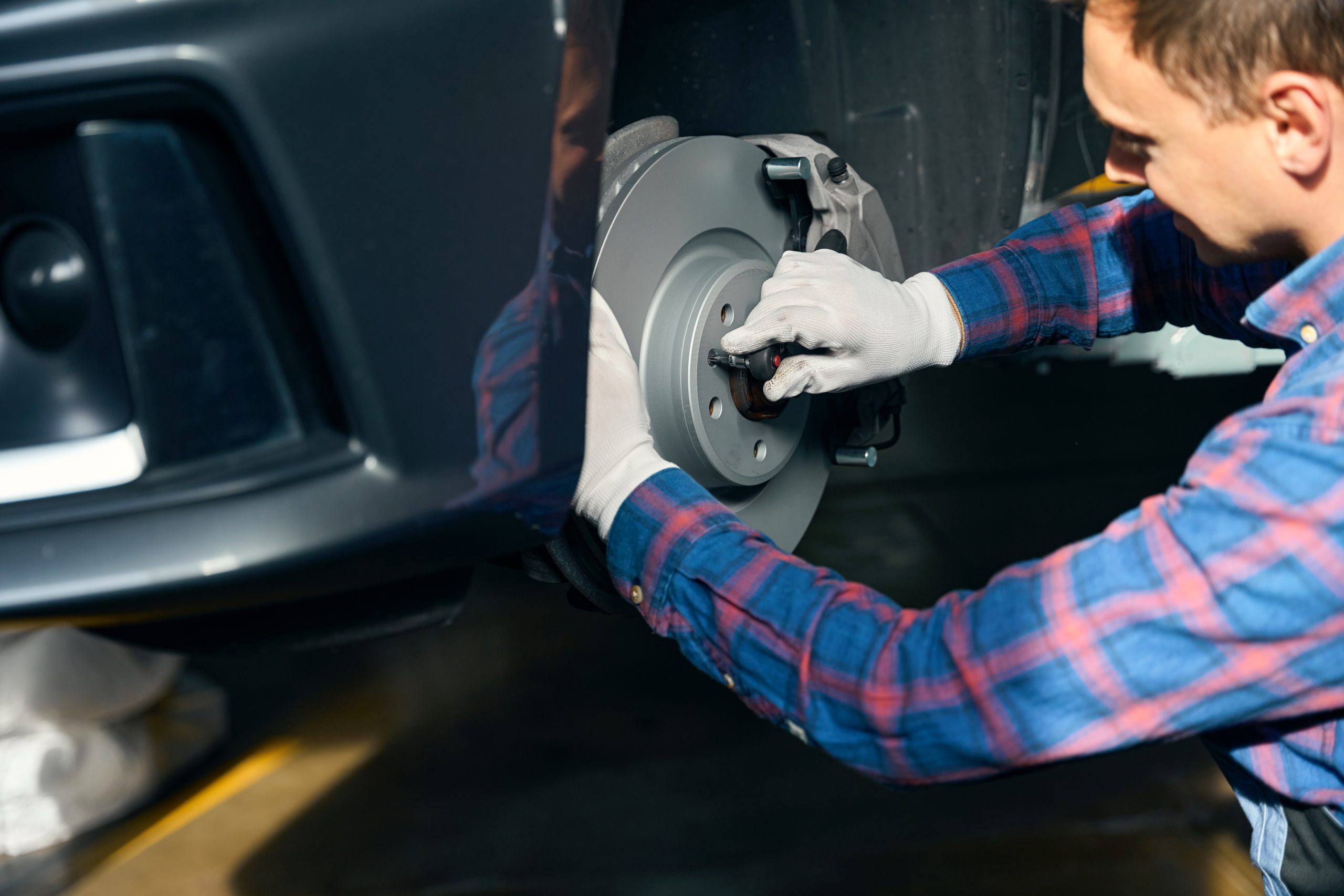
What Is A Full Brake Service?
Firstly, full brake service isn’t just about changing pads or topping up fluid — it’s a comprehensive checkup of your car’s braking system. So, here’s what a standard service typically includes:
- Inspection of brake pads, discs, and callipers
- Brake fluid check and replacement if needed
- Rotor resurfacing or replacement if worn
- Checking for leaks in the brake lines
- Inspection of the master cylinder and ABS system
- Road testing to ensure proper performance
Hence, staying consistent with regular service not only extends the life of your braking system but also prevents more expensive repairs down the road.
Need quick brake repair help? Read our blog, What to Do If Your Brakes Fail While Driving.
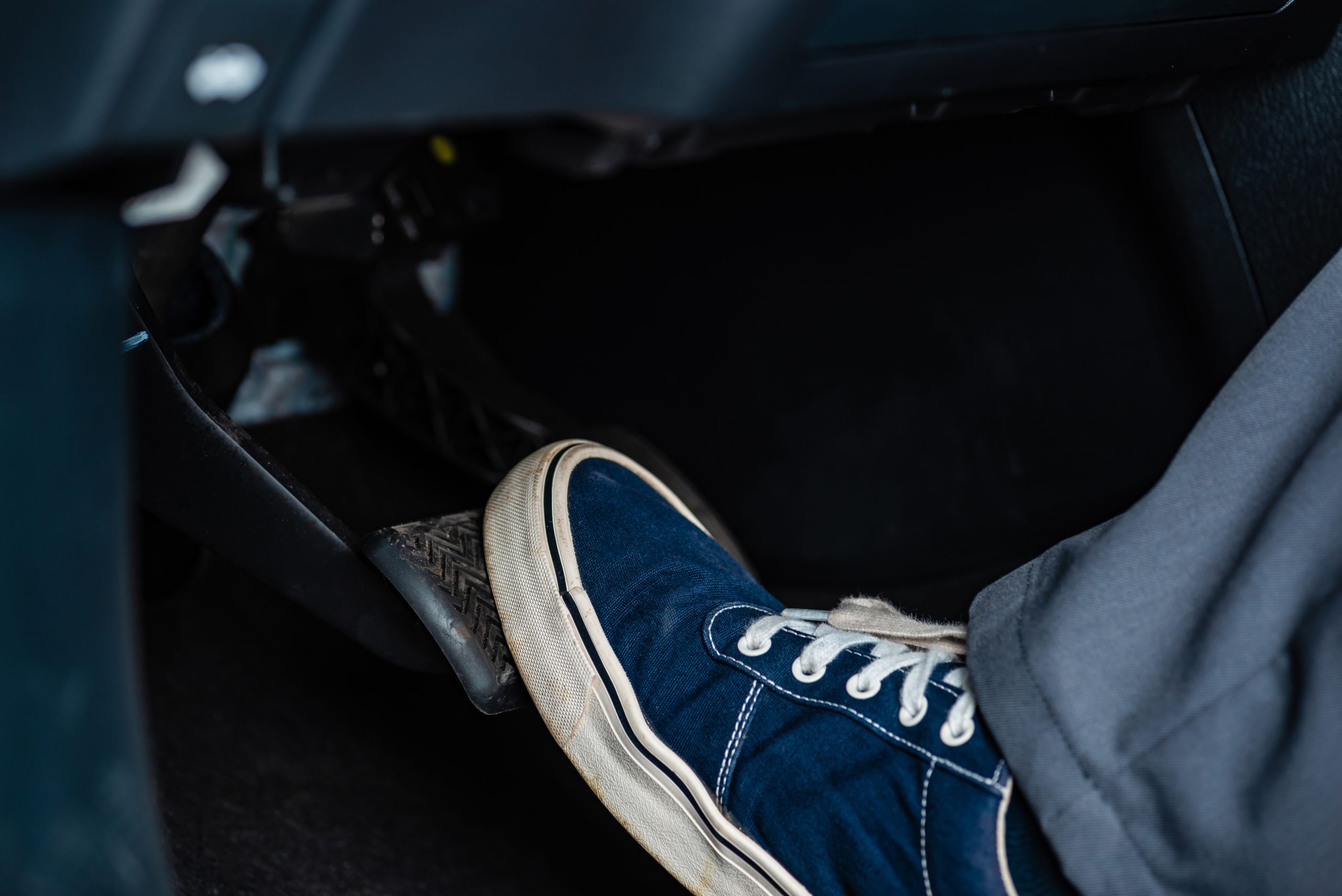
What Is A Fair Price For A Brake Pad Replacement?
Moreover, do you wonder what is the brake pad replacement cost? Prices vary depending on your car model and whether you choose standard, performance, or premium parts. Here’s a general guide:
- Economy pads: Basic pads made from organic or semi-metallic materials, ideal for light, everyday driving but with a shorter lifespan. So, it costs £80–£120 for a change.
- Mid-range pads: A balanced option offering better durability and performance, often made from semi-metallic or low-metallic compounds. It costs between £120–£200 to replace them.
- Premium pads (performance vehicles): High-end pads using ceramic or advanced metallic formulas, built for superior stopping power, durability, and heat resistance. These may cost some, around £200–£350+.
Remember, most garages recommend replacing brake discs along with pads if they show significant wear. This can add another £150–£400 to your final bill.
Comparing quotes from trusted garages can help you find a fair quote without compromising on safety or quality.
Also, go through this MOT Inspection Manual to understand the standard requirements and conditions of your car brake pads to pass your MOT smoothly.
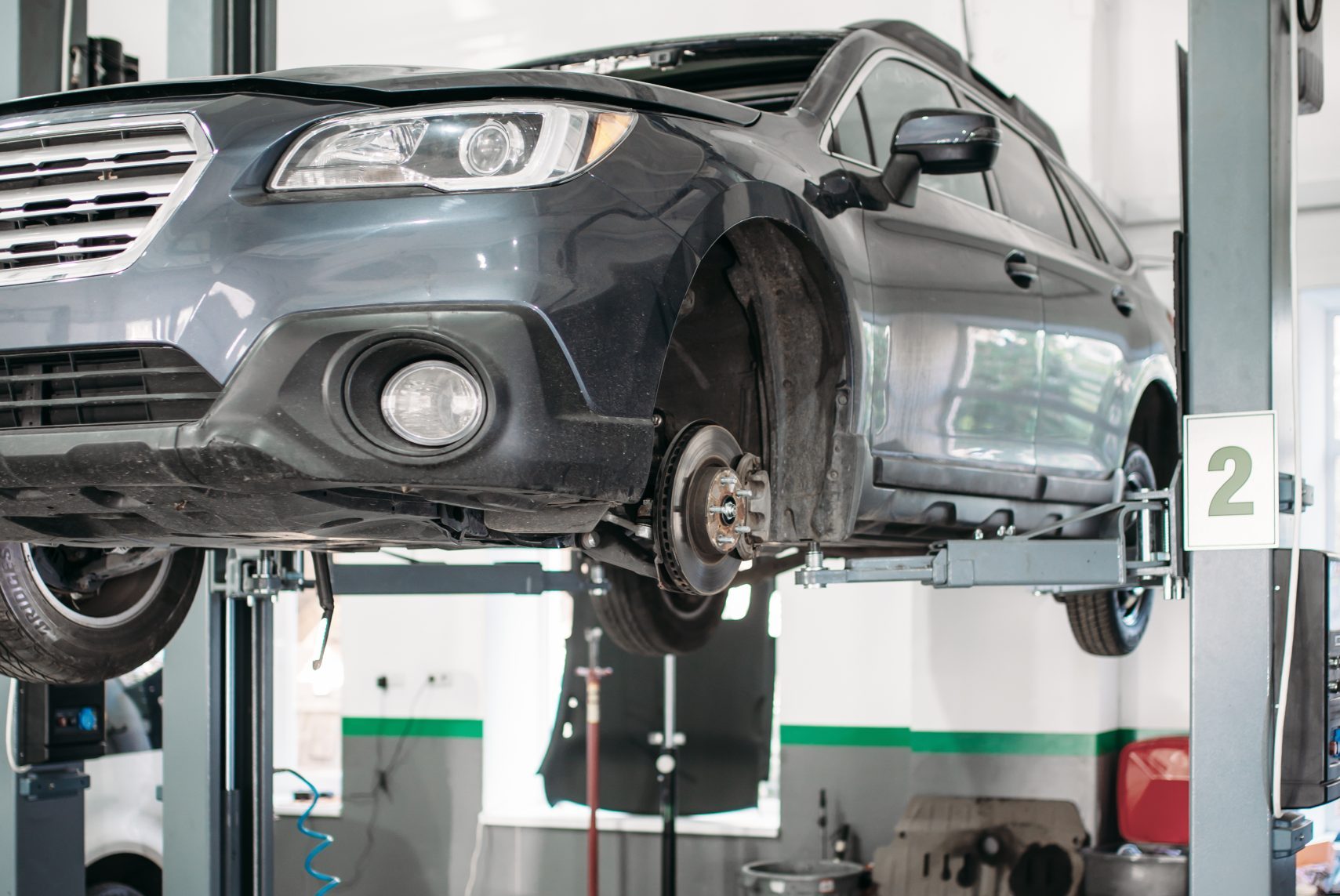
How Do You Know If It’s Time For Car Brake Replacement?
Additionally, timely brake service is key to avoiding major issues. So, watch out for these common warning signs:
- Screeching or grinding noises when braking
- A “soft” or spongy feeling brake pedal
- Increased stopping distances
- Vibrations or pulsing while braking
- Warning lights on the dashboard
So, ignoring these signs can turn a simple pad replacement into a full car brake replacement, costing much more.
If in doubt, always have a professional technician inspect your brakes — early intervention can save you money and ensure your car remains roadworthy.
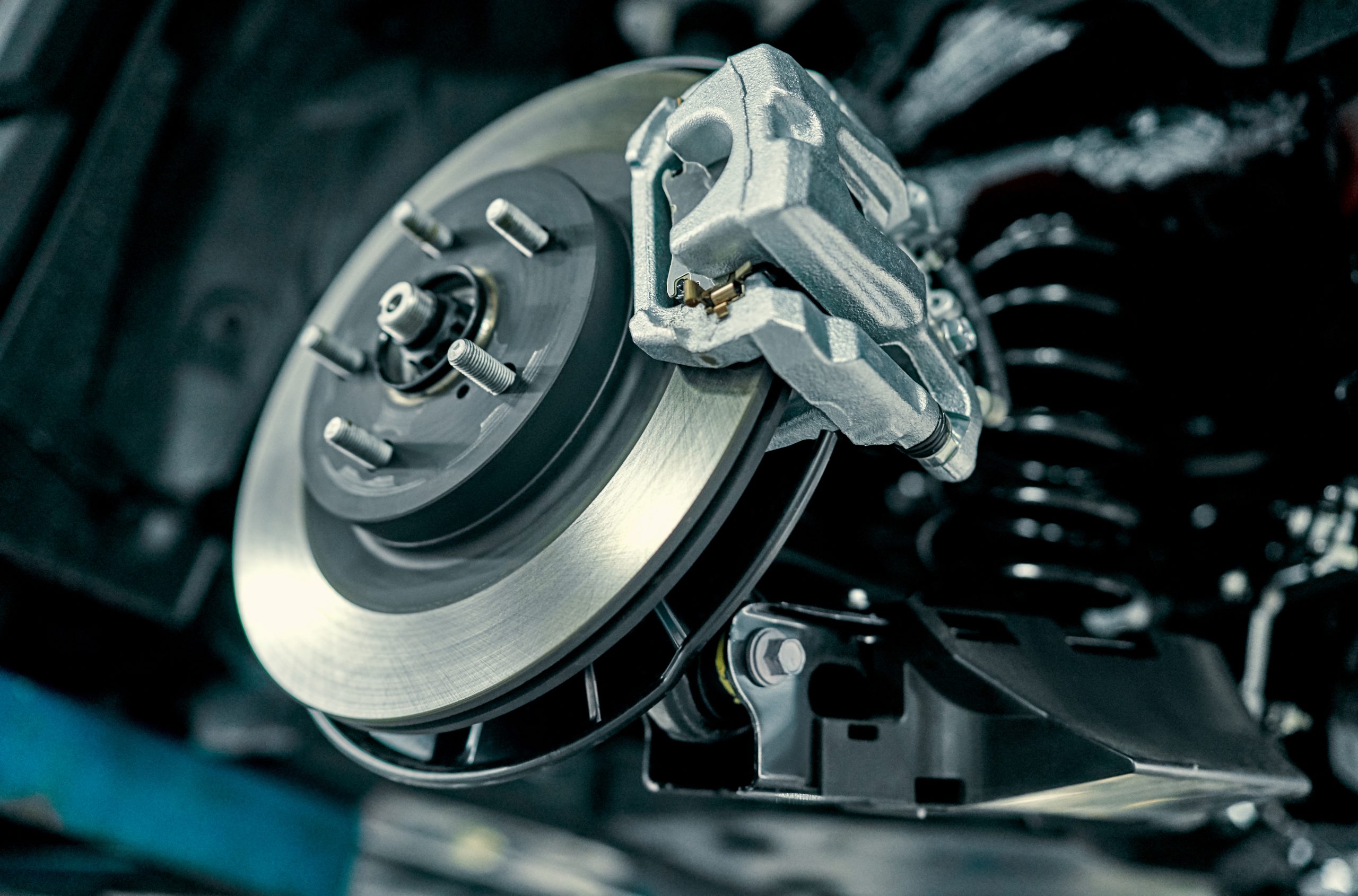
Which is Better, Car Brake Repair or Replacement?
Besides, when faced with brake issues, should you opt for brake repair or a full replacement? Here’s how to decide:
- Brake Repair is suitable if minor wear or specific parts like callipers or brake fluid need attention.
- Brake Replacement is necessary if brake pads are worn below safe levels or discs are severely grooved or warped.
Consequently, a professional garage will inspect your braking system and recommend the best option based on safety standards. Trustworthy garages will only suggest car brake repair if it genuinely extends the life of your braking system without compromising performance.
Conclusion
Therefore, brakes aren’t something to overlook. Regular brake repair, timely brake service, and staying alert to early warning signs can save you from hefty repair bills and — more importantly — ensure you stay safe on the road.
So, understanding the average brake pad replacement cost, recognising when a car brake replacement is necessary, and choosing skilled professionals for your car brake repair all contribute to responsible car ownership.
Don’t take chances with your safety — keep your brakes in peak condition.
FAQ
Q1: How often should brakes be serviced?
A: Typically, every 10,000–20,000 miles, but it varies depending on driving habits and conditions. Always refer to your manufacturer’s guidelines.
Q2: How long does brake repair take?
A: Simple pad replacements can take 1–2 hours, while more complex car brake repair or rotor replacements may take longer.
Q3: Is it cheaper to replace brake pads yourself?
A: DIY can be cheaper, but professional fitting ensures safety and correct installation, which is crucial for critical systems like brakes.
Q4: Can I drive with worn brake pads?
A: Simply put, it’s dangerous. Driving with worn pads can damage the rotors and drastically reduce your stopping ability, risking serious accidents.
Book an appointment today for brake repair service with Acton Service Centre and drive smoothly!


Leave a Message
You must be logged in to post a comment.