



Cooling System Basics: What Every Driver Should Know
Your car’s cooling system plays a critical role in engine health and overall performance. Without proper cooling, your engine can quickly overheat — leading to breakdowns or serious damage.
Despite being essential, the radiator is often overlooked in routine maintenance. Knowing how it works, how to spot signs of trouble, and when to schedule service can save you from unexpected repair bills.
In this guide, we’ll cover what every driver should know about their vehicle’s cooling mechanism — including signs of failure when to get a car cooling system flush, and how it connects to broader issues like engine efficiency and performance.
Car Cooling System Flush: When and Why It Matters
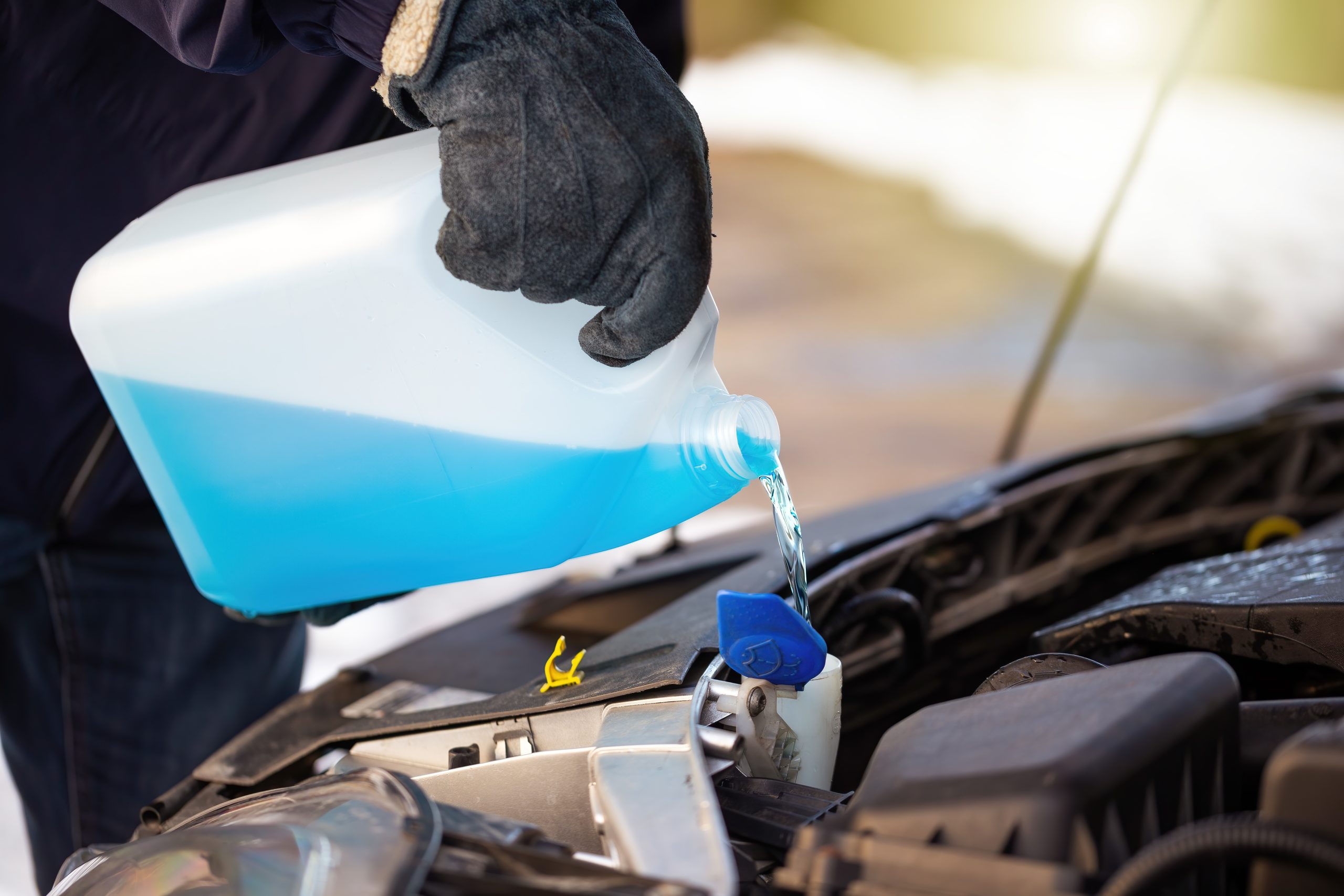
A car system flush is a maintenance procedure that removes old coolant, contaminants, and sludge from the radiator and connected parts. Over time, coolant breaks down, losing its ability to regulate temperature and protect against corrosion.
You should schedule a radiator flush every 30,000 miles or as your car’s service manual recommends. Signs you may need one sooner include:
- Overheating even in mild conditions
- Discoloured or rusty coolant
- Sweet smell under the bonnet
- Coolant leaks beneath the vehicle
Flushing the system also helps remove mineral build-up that can clog heater cores and damage water pumps — keeping your engine operating at peak efficiency.
So, do you seek a detailed guide on the parts for your car’s system and a DIY fix, you may refer to our blog Car Cooling System – Parts, Working, and Common Issues
Cooling System Car Repair: What Can Go Wrong?
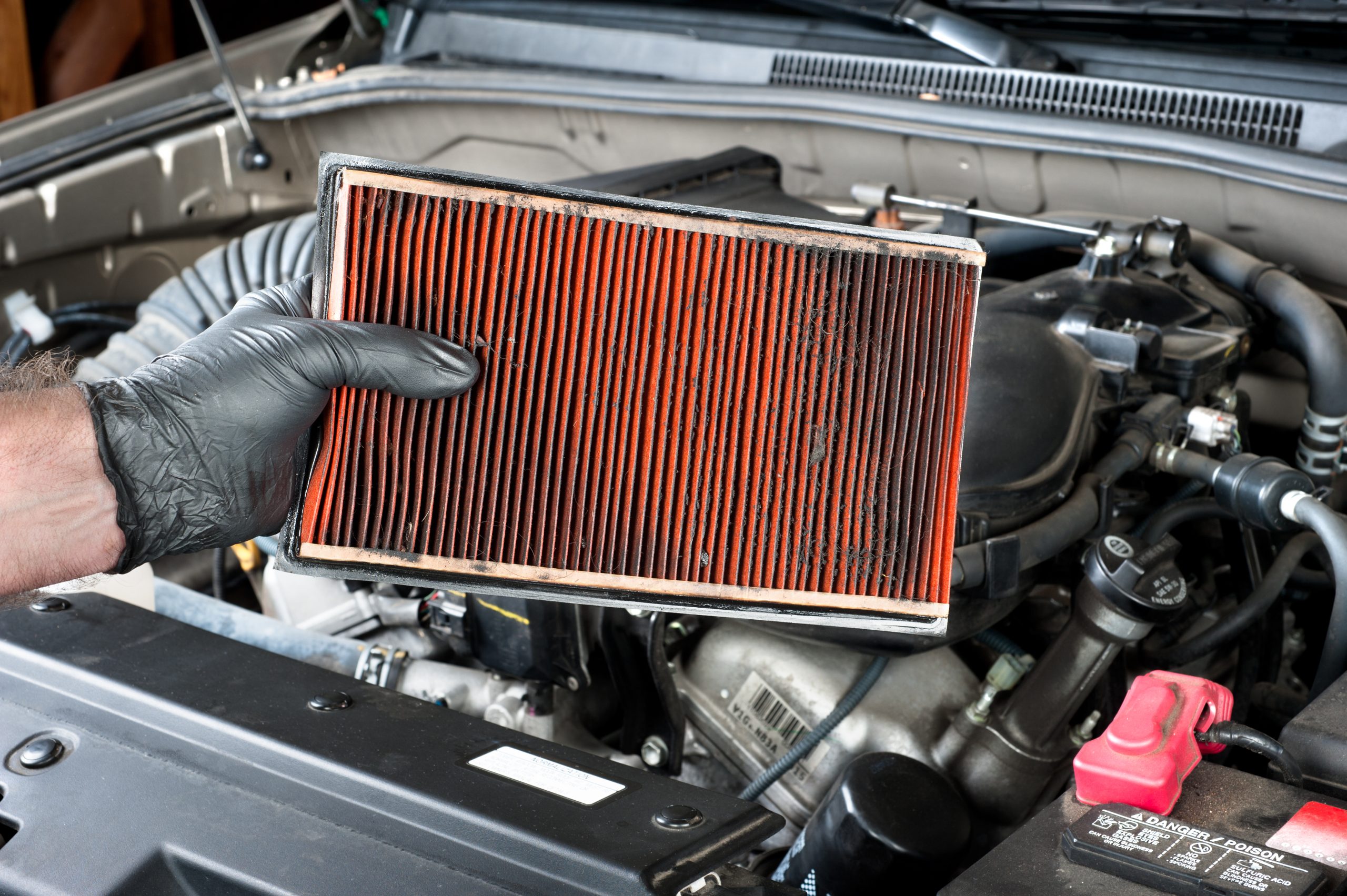
Even with regular coolant changes, parts of the cooling system can wear out or fail. Timely radiator repair can prevent complete engine failure or overheating issues on the road.
Common problems that may require a mechanic’s attention include:
- Leaking radiator hoses or connections:
This can cause coolant loss, leading to engine overheating and inefficient cooling.
- Faulty thermostat stuck open or closed:
A faulty thermostat stuck open or closed disrupts coolant flow, causing the engine to overheat or run too cold, affecting overall performance.
- Cracked radiator core or broken cooling fan:
It hinders heat dissipation, leading to engine overheating and potential long-term damage.
- Faulty coolant temperature sensors:
If sensors send incorrect data to the engine control unit, there may be poor cooling regulation and potential overheating.
If you notice your engine temperature rising quickly, steam under the bonnet, or low coolant warnings, it’s time for a proper cooling system car repair.
Besides, you may want to recharge your car’s coolant levels at home, here’s a guide to know the do’s and don’ts that you need to adhere to.
Cracked Windscreens & Cooling Failures: Is There a Link?
You might be surprised to know that exterior damage like a cracked windscreen can indirectly affect your vehicle’s overall safety and efficiency. Excessive engine heat, caused by poor cooling, can create cabin pressure changes — which may stress already compromised glass.
If your car has a cracked windscreen, it’s wise to address it promptly before it worsens, especially during extreme weather changes.
Similarly, if your defrosting system isn’t clearing the screen well, it could be due to low engine temperature regulation — another possible symptom of a failing radiator system.
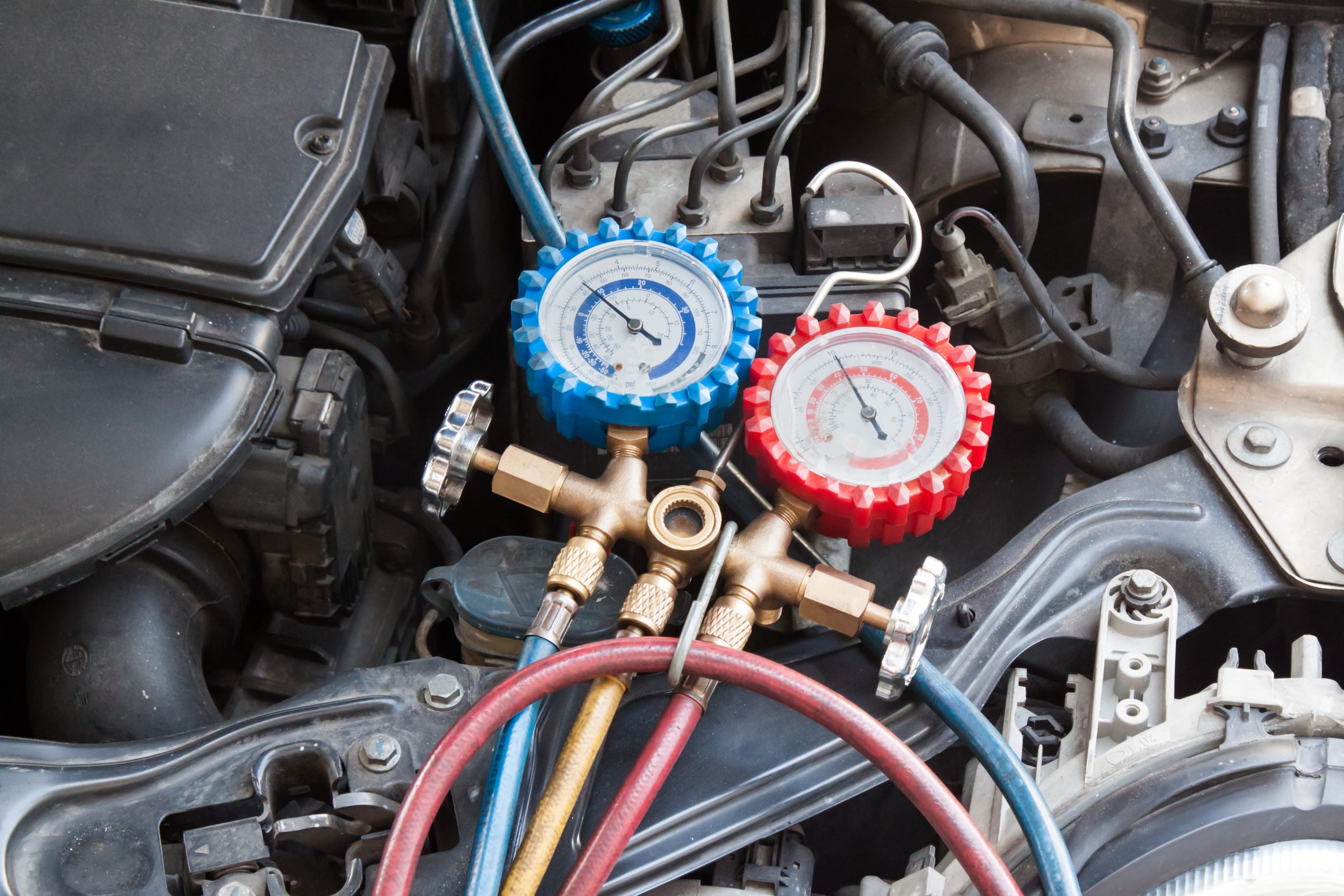
A sudden engine surge or temperature spike might also impact your HVAC system, putting extra pressure on internal components. Regular windscreen chip repair and temperature monitoring can reduce the risk of linked faults.
Fix the Windscreen Chip & Prevent Heat Stress Damage
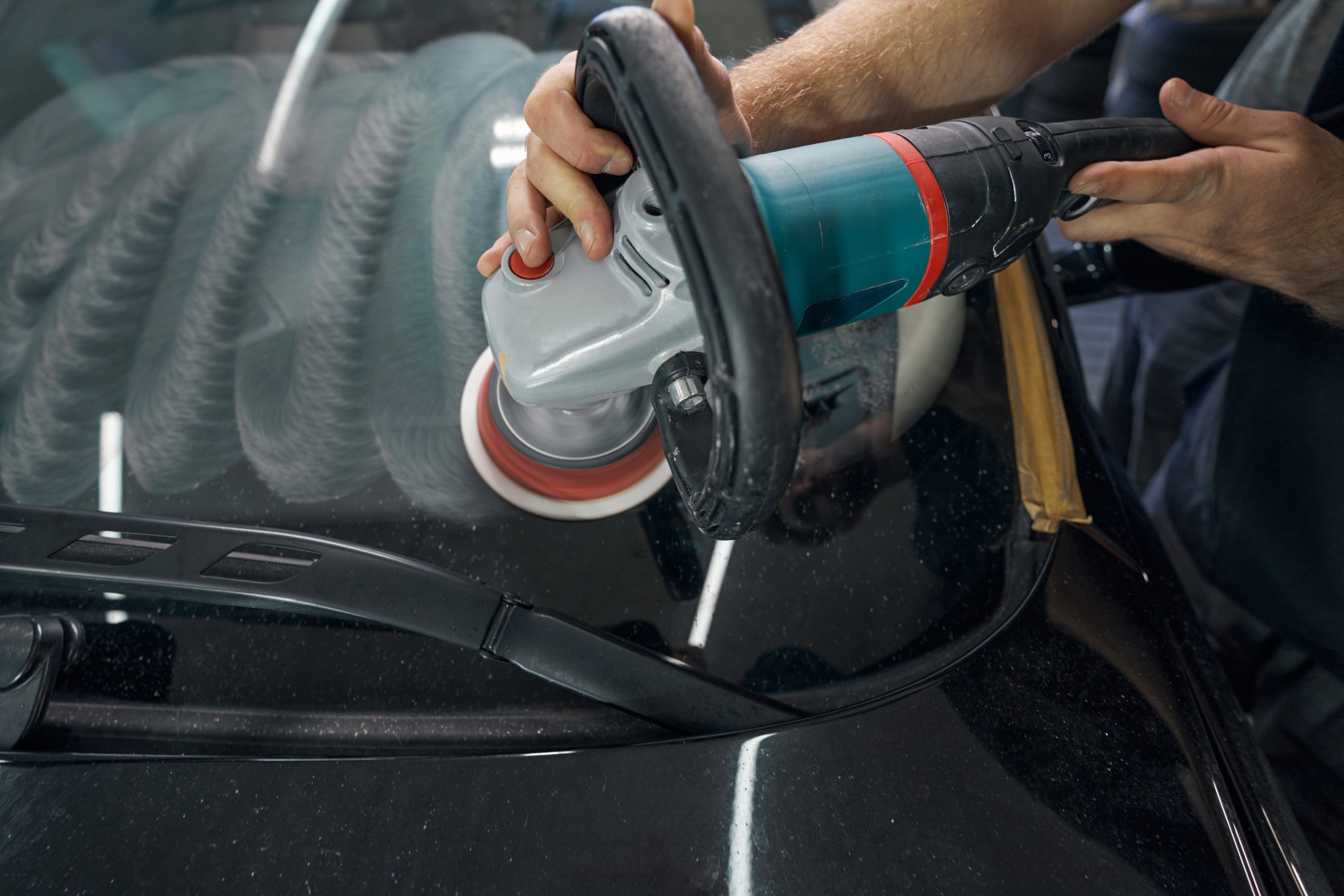
While often treated as cosmetic, a chipped or cracked windscreen can quickly escalate into a structural issue. Here are some DIY fixes:
- Seal Minor Chips with a Windscreen Repair Kit
Use a DIY windscreen chip repair kit to seal small cracks before they spread, especially during temperature changes.
- Park in the Shade or Use a Windshield Sunshade
Reduce internal temperature fluctuations that stress your windscreen by avoiding direct sunlight whenever possible.
- Avoid Blasting the A/C on a Hot Windshield
Sudden cooling causes thermal shock — instead, ventilate the cabin first and let the glass adjust before using full air conditioning.
- Check for Engine Overheating That Raises Cabin Temps
Monitor your car’s cooling system regularly; unresolved engine heat can increase cabin temperature and worsen existing glass damage.
If you’re managing both engine heat concerns and a chipped windscreen, coordinate a full inspection. This ensures your car is safe, efficient, and legally roadworthy.
Conclusion
The cooling system might not grab your attention like tyres or brakes, but it’s just as important to your car’s safety and performance. From regulating engine temperature to supporting other systems like defrosting and climate control, it works silently in the background — until something goes wrong.
Whether it’s scheduling a routine car system flush or catching signs of a slow leak early, preventative care is key. If you’ve noticed issues with overheating, dashboard warnings, or even glass fogging and interior discomfort, don’t ignore the signs.
Regular system car repair can save you money and prevent long-term engine damage — and when paired with services like windscreen chip repair, you’re investing in a safer, smoother drive.
FAQs
Q1: How often should I get my car’s cooling system flushed?
A: Typically every 30,000 miles or every 2–3 years, depending on manufacturer guidelines and driving conditions.
Q2: Can a cracked windscreen affect cabin temperature or ventilation?
A: Yes. A cracked windscreen can compromise HVAC efficiency, especially if defrosting is affected by poor coolant circulation.
Q3: What are the signs of a failing cooling system?
A: Overheating, fluctuating temperature gauge, visible leaks, or steam under the bonnet are key warning signs.
Q4: How much does windscreen replacement cost in the UK?
A: The windscreen replacement cost varies but generally starts around £150–£300, depending on the vehicle model and insurance excess.
Book an appointment with Acton Service Centre today for your cooling system check and stay protected with no surprises ahead.




Leave a Message
You must be logged in to post a comment.