


Cambelt: Costs, Signs & Service Tips
Table of Contents
- Introduction
- Why the Cambelt Is So Important
- When Should You Replace the Cambelt?
- How Much Does Cambelt Replacement Cost in the UK?
- Top Signs Your Cambelt May Be Failing
- What Happens If the Cambelt Snaps While Driving?
- Cambelt vs Timing Chain: What’s the Difference?
- Can You Check the Cambelt Yourself?
- How to Choose the Right Repair Service
- Why You Shouldn’t Delay Cambelt Replacement
- Additional Tip: Bundle Services to Save More
- Conclusion
- FAQs
Introduction
Your cambelt is one of the most important—but most overlooked—parts of your vehicle’s engine. Most drivers don’t think about it until something goes wrong. And unfortunately, when it does, the consequences can be costly.
Thankfully, replacing your cambelt on time can save you from sudden breakdowns and massive repair bills. In this guide, we’ll explore why this part is so important, how much it costs to replace, signs of wear, and how to choose a trusted mechanic.

Why the Cambelt Is So Important
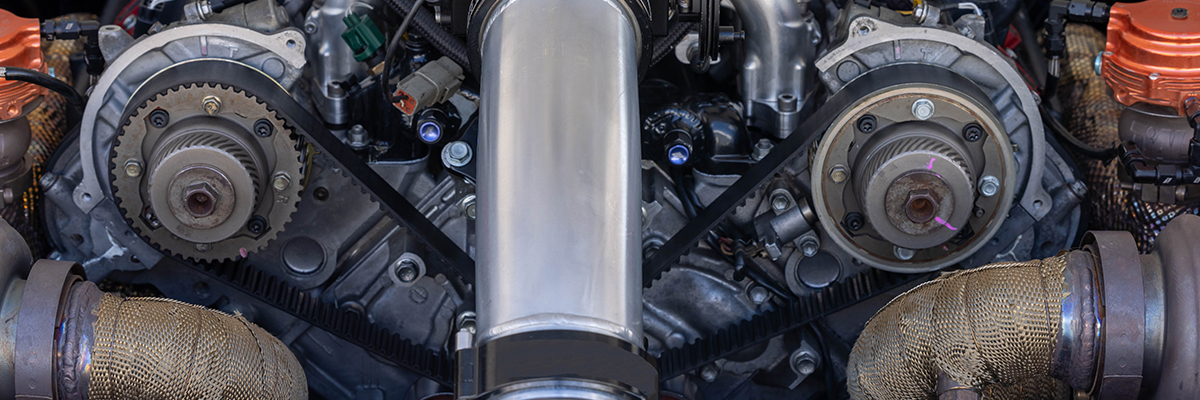
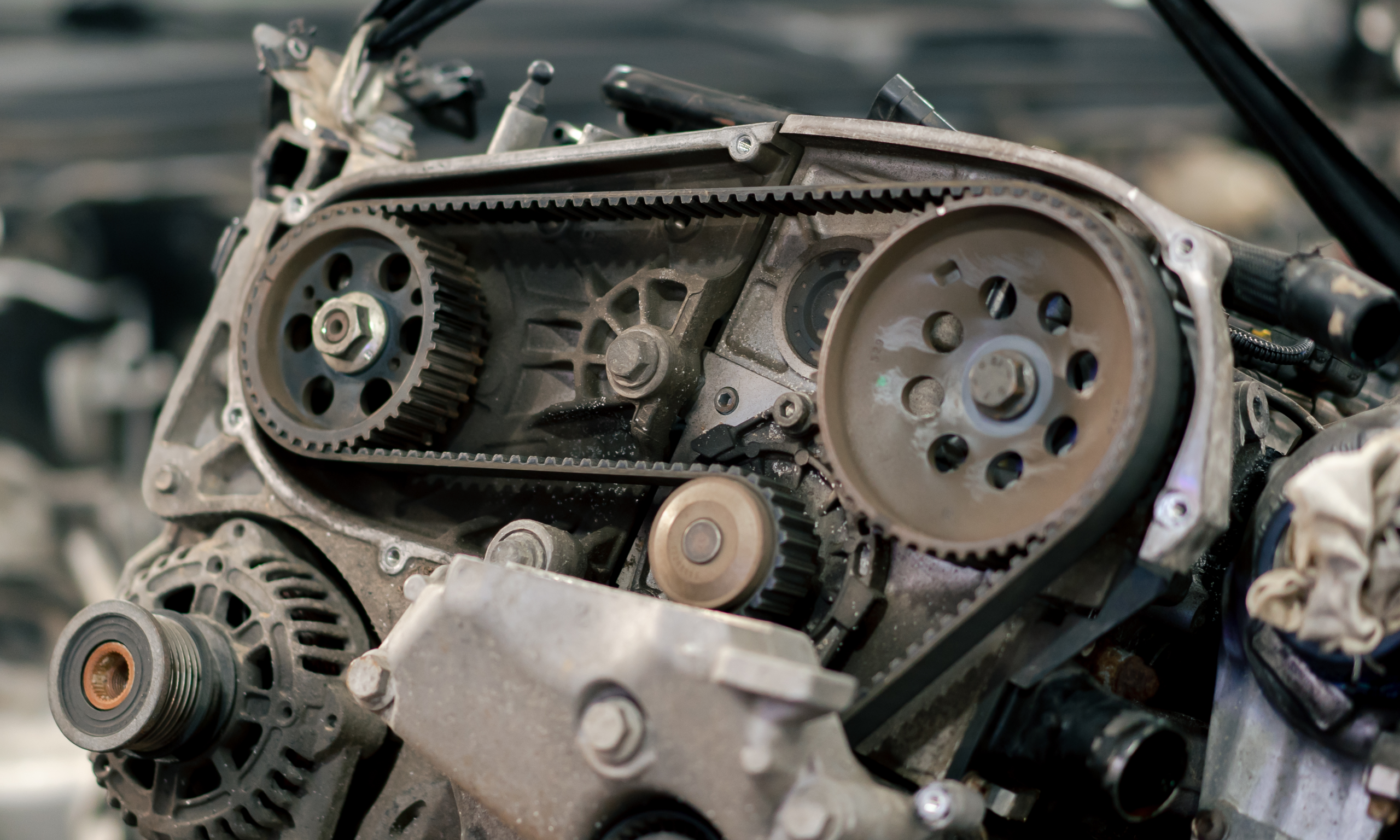
The cambelt, also called the timing belt, keeps your engine running in perfect harmony. It connects the crankshaft to the camshaft and ensures that the engine’s valves open and close at the correct times.
However, if it breaks or slips, these parts can crash into each other. This can result in serious engine damage like bent valves, broken pistons, or even a cracked cylinder head.
To put it simply, without a working timing belt, your engine can’t run.

When Should You Replace the Cambelt?
Most car manufacturers recommend replacing the cambelt every 40,000 to 100,000 miles, or every 4 to 6 years—whichever comes first. Your owner’s manual will provide the exact interval for your vehicle.
Additionally, if you’ve bought a second-hand car and don’t know when the last replacement occurred, it’s safer to replace it right away. Skipping it could put your engine at risk of failure.
By acting early, you protect both your engine and your budget.

How Much Does Cambelt Replacement Cost in the UK?
The cost of replacement can vary depending on the make and model of your vehicle. Here are average prices:
- Small cars: £300–£450
- Family or mid-size cars: £450–£700
- Luxury or performance cars: £700–£1,200+
In most cases, mechanics recommend replacing the water pump and tensioner during the same visit. These parts often wear alongside the timing belt and are located in the same area.
As a result, you’ll save on labour costs and reduce the chance of another breakdown later.
Additionally, ask your garage if they use a complete kit, which includes the belt, tensioner, and pulleys. This ensures a longer-lasting and more reliable repair.
Top Signs Your Cambelt May Be Failing
Although cambelts are hidden inside the engine, your car can show symptoms when something’s wrong. Watch out for:
- Ticking or rattling noises coming from the engine
- Rough idling or engine misfires
- Trouble starting the car
- Oil leaking near the timing belt cover
- Visible cracks or glazing on the belt if accessible
If you notice any of these signs, don’t wait— get your cambelt checked by a qualified technician.
Moreover, these symptoms can also suggest issues with nearby components, like the water pump or tensioners.

What Happens If the Cambelt Snaps While Driving?
If the cambelt snaps while your car is running, the pistons and valves may collide. Since they’re moving at high speed, the impact can cause catastrophic engine failure.
You could experience:
- A sudden engine shutdown
- Bent or broken valves
- Damaged pistons
- Total engine failure
In some cases, you might hear unusual engine noises—such as a ticking sound—just before a failure occurs. Here’s how to identify and fix ticking noises in your engine.
Cambelt vs Timing Chain: What’s the Difference?
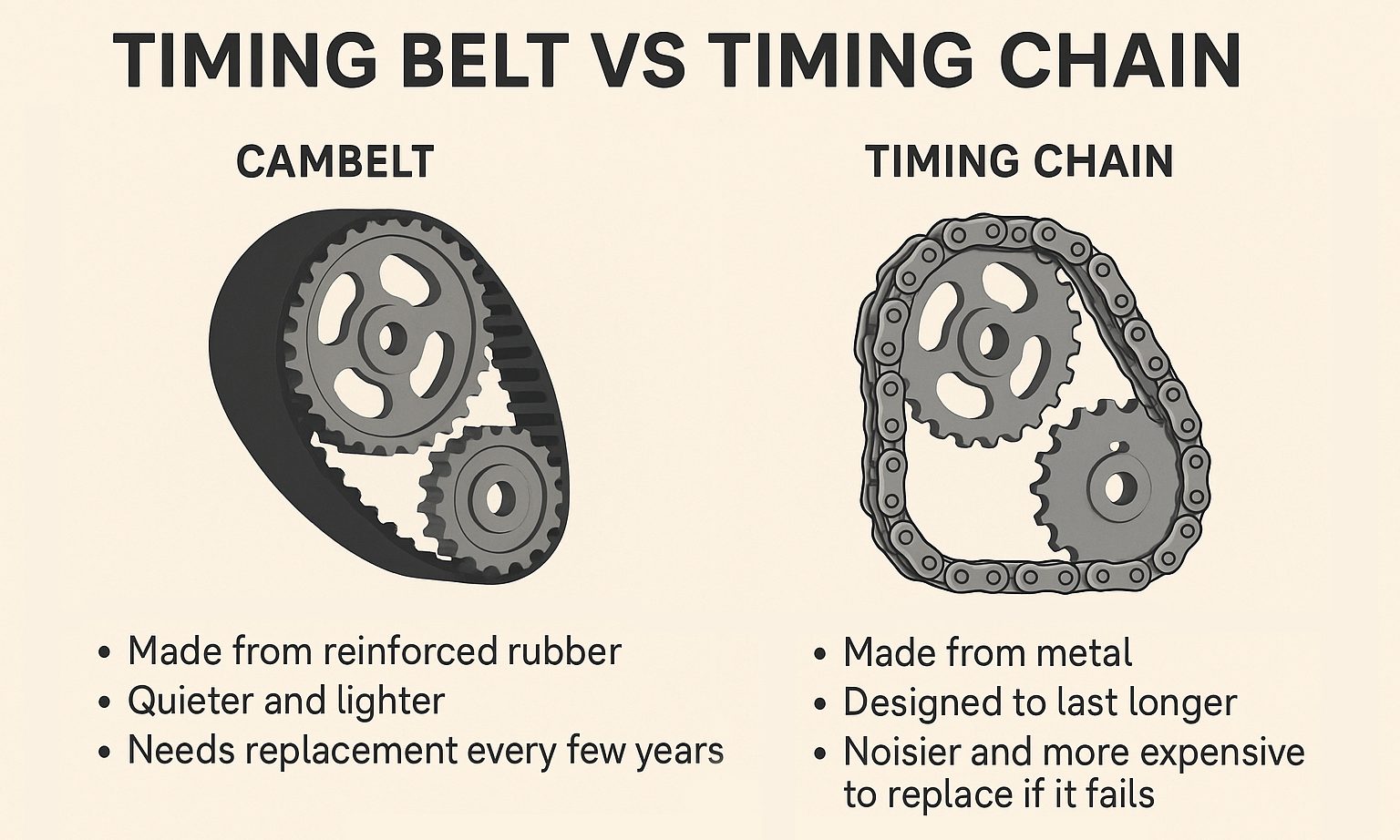
Not all engines use a timing belt. Some use a timing chain instead. Here’s how they differ:
- Cambelt: Made from reinforced rubber. Quieter and lighter, but needs replacement every few years.
- Timing chain: Made from metal. Designed to last longer, but noisier and more expensive to replace if it fails.
That said, both systems require proper maintenance. Even timing chains can stretch or wear out if not cared for properly.
On the other hand, timing belts are more affordable to service but require more regular attention.
Can You Check the Cambelt Yourself?
Unlike other parts, cambelts aren’t usually visible without removing several engine components. Most are covered for protection, which means you’ll need a professional to inspect or replace it.
Because of this, self-checks aren’t practical. Trust a certified technician to assess the condition properly.

How to Choose the Right Repair Service
Not all garages offer the same quality of work. Timing belt replacement requires precision and skill. Choosing the right mechanic matters more than you might think.
Look for:
- Certified or dealer-trained technicians
- Transparent pricing with no hidden fees
- Warranty on both parts and labour
- Positive reviews and trusted recommendations
Furthermore, confirm whether the garage includes the water pump and tensioners in the service. Combining these parts into one repair appointment makes sense.
To ensure quality, opt for garages that use OEM or manufacturer-approved kits.
For more helpful tips, check out this guide to timing belt replacement.

Why You Shouldn’t Delay Cambelt Replacement
You may be tempted to delay cambelt replacement if your car still seems to run fine.
However, this is a risky gamble. Cambelts wear gradually, and they can fail without warning. When they do, the damage is immediate and often severe.
That’s why replacing it on schedule is one of the smartest decisions you can make as a car owner.
Additional Tip: Bundle Services to Save More
When scheduling cambelt replacement, it’s a great time to bundle other services. Consider combining:
- Water pump replacement
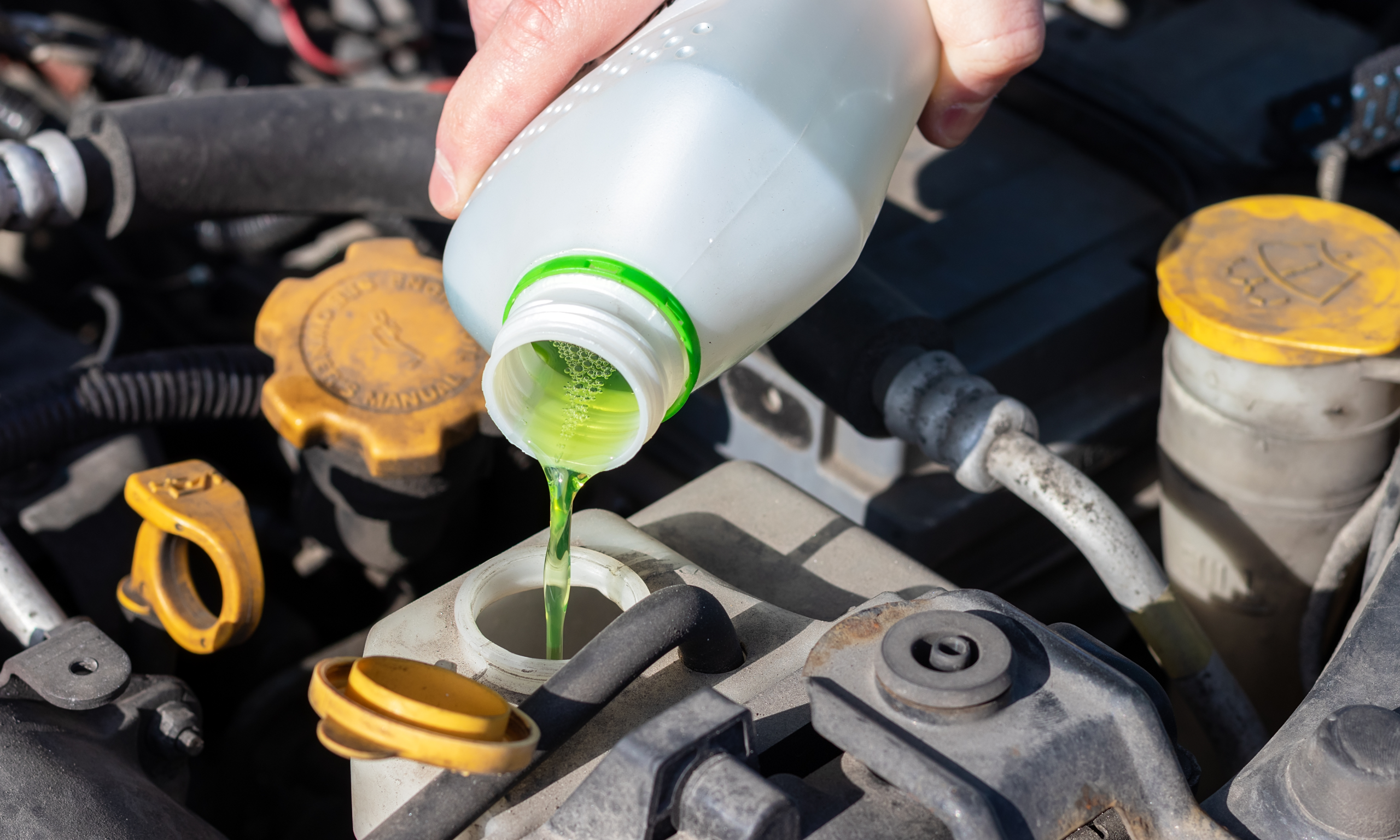
- Coolant flush
- Full vehicle inspection
- Drive belt replacement
By doing so, you can reduce total labour costs and ensure everything is running smoothly—especially if your car is already on the ramp.
Conclusion
Your cambelt is a small but mighty part of your vehicle. Without it, your engine can’t function properly—and if it fails, the damage can be severe and costly.
To summarise, follow the replacement schedule in your manual, look for early signs of wear, and choose a garage you can trust. Timely cambelt replacement protects your vehicle’s health and your wallet in the long run.
FAQs
Q1: How long does cambelt replacement take?
A: Usually between 3 and 5 hours, depending on your car’s model and what other parts are replaced.
Q2: Can I inspect the cambelt myself?
A: Not really. It’s usually hidden and requires special tools and expertise to access.
Q3: Is there a warning light for cambelt wear?
A: No. That’s why you need to track mileage or get regular inspections.
Q4: Should I replace the water pump at the same time?
A: Yes. If the components are linked, doing both at once can save time and money.
Q5: What happens if I ignore cambelt replacement?
A: You risk engine failure, high repair costs, and even needing a full engine replacement.
Book your cambelt service today at Acton Service Centre and keep your engine safe, efficient, and road-ready. Don’t wait until it’s too late.


Leave a Message
You must be logged in to post a comment.