



Seatbelt Secrets Every Driver Should Know
Table of Contents
- Introduction
- A Brief History of the Seatbelt
- Why It Still Matters in 2025
- What’s New? Advanced Restraint Systems in Modern Cars
- Seatbelt Laws 2025: What Drivers Need to Know
- Comparing Old vs. New: Safety Technology Evolution
- Conclusion
- FAQs
Introduction
Driving is a skill, but driving safely is a responsibility. It starts with the seatbelt, the strap that protects us all. Despite being one of the oldest safety features in cars, many people still ignore it or “forget” to wear it. In 2025, it’s more than just a belt. Today’s systems are smart, sensor-powered, and quietly working with crash detection, airbags, and advanced braking to protect you when it counts.
In this blog, we’ll break down the latest innovations in vehicle safety restraints, what’s new in 2025 cars, and why this simple device remains one of the most effective lifesavers on the road.
A Brief History of the Seatbelt
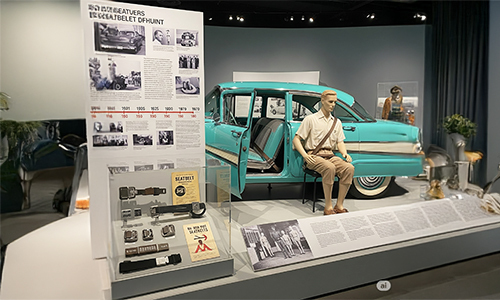
This essential safety tool has been saving lives for decades, but it didn’t start out as the advanced system we know today. Early cars had simple lap belts, if any at all. Things changed in 1959 when Volvo introduced the three-point design, which quickly became the global standard.
Since then, car safety has come a long way. From basic restraints to today’s sensor-enabled systems, this feature has played a key role in the evolution of automotive protection. It now works alongside airbags and other passive restraint systems, those features that protect you automatically during a crash.

Why It Still Matters in 2025
With today’s cars packed full of smart features like automatic braking, lane assist, and AI-powered crash detection, it’s easy to assume the basics are no longer as important. But the truth is, this safety tool is just as crucial now as it has ever been.
Even in 2025, it remains one of the most effective ways to protect yourself in a crash. According to recent UK data, it significantly reduces the risk of serious injury or death, especially when combined with airbags.
That’s because these systems work together. While airbags cushion the impact, this restraint keeps you in the right position so the rest of the system can do its job properly. One doesn’t work effectively without the other.
So how do modern designs protect you today? They’ve evolved into intelligent systems that do far more than just hold you in place. Newer models use smart sensors, pretensioners, and load limiters to respond in real time during an accident, tightening or releasing just enough to protect your body from injury.
What’s New? Advanced Restraint Systems in Modern Cars
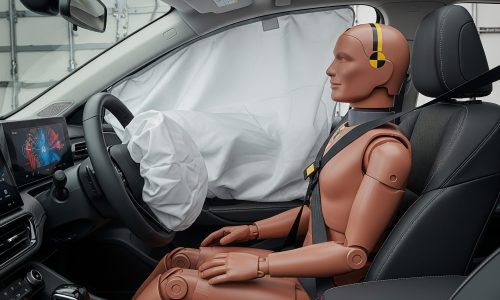
In 2025, things have changed. While the basic idea remains the same keeping you secure in your seat during a crash the technology behind it has become much more intelligent. Today’s systems are designed to work smarter, not just harder.
So, what’s changed? Let’s take a look:
Pretensioners
These activate the moment your car detects a potential collision. They instantly tighten the strap to remove slack, holding your body firmly in place even before impact.
Load Limiters
After tightening, these allow a bit of controlled give. This reduces pressure on your chest and shoulders, lowering the risk of injury from the restraint itself during a high-impact crash.
Crash Sensors
These act as the brains behind the safety system, communicating with the vehicle in real time. They trigger airbag deployment and restraint adjustments within milliseconds of detecting a crash.
Active Reminders
Modern vehicles don’t just beep when someone forgets to buckle up. Many 2025 models have smart sensors that detect seat occupancy and will alert the driver or even prevent the car from moving until everyone is safely secured.
All these tools fall under passive safety systems. They don’t require any action from you; they simply activate when needed.
So next time you click in, remember: it’s not just a strap it’s a sophisticated safety system working behind the scenes.

Seatbelt Laws 2025: What Drivers Need to Know
UK safety rules in 2025 are clearer and more strictly enforced than ever. Whether you’re commuting daily or just hopping in the back seat, here’s what you need to know to stay compliant and safe:
1. Everyone Must Buckle Up
If your vehicle has restraints, you must use them front or back. No exceptions, unless you have a medical exemption certificate.
2. Drivers Are Responsible for Children
If a child under 14 isn’t properly secured, the driver can be fined up to £500.
3. Adults Are Responsible for Themselves
Anyone aged 14 or older can be fined individually if not secured properly. Police are now checking both front and rear passengers.
4. Children Must Use Approved Seats
Kids under 12 or under 135 cm tall must be in an approved child seat suited to their size. No shortcuts here.
5. Smart Reminder Systems Are Standard
Some 2025 vehicles won’t allow movement until all passengers front and back are buckled in.
Want more details? Check the official UK government page here: Seat belts: the law – GOV.UK
Comparing Old vs. New: Safety Technology Evolution
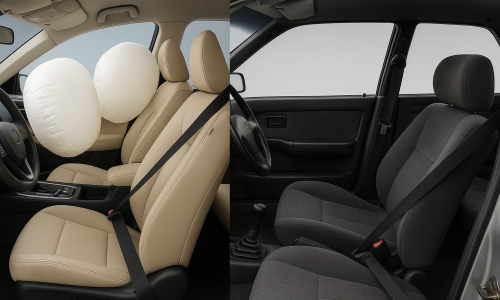
When you think of seatbelts, you might picture that basic strap you pull across your chest. But things have changed a lot. Today’s seatbelts are smarter, faster, and far more responsive than the ones found in older cars.
To really understand how far we’ve come, let’s break down the difference between old and new seatbelt systems.
Key Differences: Old vs. New Seatbelt Technology
Features | Older Systems | Modern Systems (2025) |
|---|---|---|
Tension Control | Manual tension, set by user | Automatic tension using pretensioners |
Sensors | None | Smart crash and seat occupancy sensors |
Crash Response | Delays in reaction | Instant response with synced crash detection |
Protection Style | Basic restraint only | Adaptive protection with load limiters |
Integration | Standalone feature | Integrated with airbags and crash prevention tech |
Reminders | Basic chime (front seat only) | Advanced alerts for all seats and seat detection |
Conclusion
Even with today’s advanced technology, this foundational safety device remains one of the most critical life-saving tools in your vehicle. As cars become smarter and more automated, seatbelts are still your first line of defense in a crash. Understanding how these systems work and ensuring they’re in good shape can make all the difference when it really counts.
So, stay informed, stay alert, and make safety a habit, not an afterthought. As car safety tech continues to evolve in 2025, one thing hasn’t changed: buckling up is still the simplest and smartest move you can make on the road.
FAQs
Q1: How do modern seatbelts work?
A: They tighten instantly during a crash, then ease slightly to reduce injury.
Q2: What are the new seatbelt features in 2025 cars?
A: Smart sensors, pretensioners, load limiters, and better seatbelt reminders.
Q3: Are seatbelts still the most important safety feature?
A: Yes, They’re still the first and most effective line of protection.
Q4: What’s the difference between pretensioners and load limiters?
A: Pretensioners tighten the belt fast; load limiters reduce chest pressure.
Q5: Do new cars have automatic seatbelts?
A: Some do, but most still need manual buckling.
Your safety starts with a reliable seatbelt. Don’t wait until it’s too late, book your appointment with Acton Service Centre today and drive with confidence.




Leave a Message
You must be logged in to post a comment.