



Spark Plugs UK: Replacement, Costs and Tips
Introduction
Your car wouldn’t even start without spark plugs. They’re tiny parts that help your engine run smoothly. Every time you turn the key, these igniters create a tiny spark that lights the fuel in the combustion chamber. Without them, there’s no fire, no power, and no drive.
But here’s the thing: these components don’t last forever. Just like shoes wear out after miles of walking, ignition parts wear out after miles of driving. If you leave them too long, your car might misfire, your fuel bills might rise, and you could even fail an MOT.
So how do you know when it’s time for new ones? How much will it cost? And what can you do to keep them in good shape for longer? Let’s break it all down step by step.
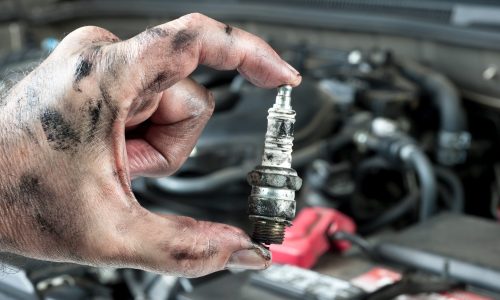
When Should You Replace Spark Plugs?
Most cars in the UK need a spark plug replacement somewhere between 30,000 and 60,000 miles. That said, the exact timing isn’t set in stone, it depends on your vehicle’s make and model, your driving style, and even the weather conditions you’re dealing with. For example, frequent short trips in cold weather can wear down ignition parts faster than long motorway drives.
So, how can you actually tell when it’s time for a change? Here are some clear warning signs to watch out for:
- Hard starts: If your car struggles to fire up especially on frosty mornings it often points to worn plugs or weak ignition.
- Jerky driving: Feeling sudden shakes, rough idling, or the occasional engine misfire while cruising is another red flag.
- Poor fuel economy: You may notice you’re filling up more often, as inefficient ignition burns more fuel than usual.
- Sluggish acceleration: When you press the accelerator and the response feels lazy or delayed, it’s often linked to tired ignition components.
In short, if your car feels harder to start, less responsive, or just a bit “off,” worn plugs could be to blame. Think of them like matchsticks: a fresh one sparks instantly, while an old damp match struggles to catch fire. Inside your engine, the same principle applies healthy components ignite fuel cleanly, while worn ones make the whole process a struggle.

Spark Plug Costs & Service in the UK
On average, the price can range between £40 and £150, depending on your car and the garage. In most cases, labour is the biggest part of the bill. For a small car like a Ford Fiesta, you might pay around £60–£80 in total. However, for larger or premium vehicles, the cost can rise noticeably.
A common question drivers ask is: “Are these components included in a car service?” The answer is: not always. Many garages offer ignition checks as an add-on, so it’s best to confirm before booking.
Why is it worth the cost? Because replacing worn plugs ensures:
- Better fuel economy (saving money at the pump)
- A smoother ride with fewer vibrations
- Lower chances of failing your MOT due to emissions
- A safer, more reliable car overall
Check out this RAC article on spark plug replacement and maintenance.

Common Ignition Problems & Fixes
If a spark plug is old, dirty, or damaged, you’ll quickly notice your car behaving differently. Small issues might start off subtle, but they can grow into frustrating and often expensive problems. In fact, this is one of the main reasons drivers end up searching for a vehicle misfire fix in the UK.
Here are some of the most common problems you might face:
- Engine misfire: When the spark doesn’t fire at the right moment, the combustion cycle is thrown off balance. This makes the engine feel jerky or shaky, especially when accelerating.
- Electrode wear: Over time, the tiny tip of the plug begins to wear down. As it erodes, it becomes harder for the system to ignite fuel efficiently.
- Ignition coil stress: When the plugs aren’t doing their job, the ignition coil is forced to work overtime. This added strain can eventually cause the coil to fail, leading to even more costly repairs.
- Poor performance in petrol cars: Old or contaminated components in a petrol engine often result in sluggish acceleration, rough idling, and an overall lack of responsiveness behind the wheel.
The good news? These issues are highly preventable. By following the recommended replacement intervals and giving your ignition system a little attention, you can avoid most of these headaches. Think of it like brushing your teeth, skip it for too long, and problems start piling up before you know it.
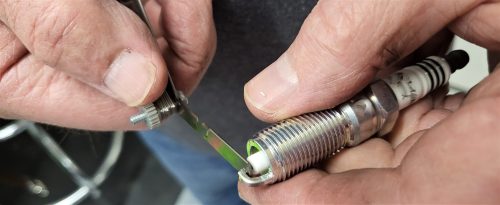
Expert Maintenance Tips for Longer Plug Life
If you want your ignition components to last longer, there are a few expert tips that can save you both money and stress.
- First of all, check the plug gap: this is the small space where the spark jumps. If it’s too wide, the ignition becomes weak and performance drops.
- Next, watch for early warning signs: if your car feels off, don’t ignore it. Catching issues early prevents bigger repairs and unnecessary expenses.
- In addition, clean the plugs regularly. A quick wipe can remove carbon deposits and extend their working life.
- Moreover, be careful with cold starts. Repeated short journeys on a cold engine put extra strain on these parts and cause them to wear out faster.
- Finally, always use quality replacements. Choosing ignition parts suited to UK weather conditions makes a huge difference in durability and reliability.
And if you’re the hands-on type, you could even try a DIY change using a step-by-step guide. However, if you’re not confident, it’s often safer and cheaper in the long run to let a professional handle it.
Conclusion
Spark plugs may be small, but they play a huge role in keeping your car running smoothly. Replacing these ignition parts at the right time not only saves fuel but also prevents engine problems and potential MOT failures. In fact, the average cost of replacements in the UK is far less than what you’d spend on major repairs if you put it off. So, if you’ve noticed unusual symptoms or it’s time for your car’s regular ignition service, book an appointment with Acton Service Centre today and keep your vehicle performing at its best.
FAQs
Q1. Do you need to change spark plugs every car service?
No, they’re usually replaced every 30,000–60,000 miles, not at every service.
Q2. How often do spark plugs need servicing?
At least once a year or as part of your maintenance schedule.
Q3. How do mechanics change spark plugs?
They remove the old ones, set the right gap on new plugs, and fit them securely.
Q4. Can spark plugs last 500,000 miles?
No, most last 30,000–100,000 miles depending on type.
Q5. Should I replace all the spark plugs on my car at once?
Yes, changing the full set ensures smoother performance.
Book your appointment today with Acton Service Centre and let the experts keep your car running smoothly, reliably, and safely on UK roads.




Leave a Message
You must be logged in to post a comment.