



Windscreen Repair Guide: Chips, Cracks & Costs
A damaged windscreen might seem like a minor inconvenience. However, it plays a major role in your car’s safety and MOT compliance. Whether it’s a tiny chip or a visible crack, ignoring the issue can lead to bigger—and more expensive—problems. Prompt windscreen repair not only prevents further damage but also ensures your vehicle remains roadworthy.
That’s why this guide from Acton Service Centre explores everything you need to know about windscreen repair, including common causes, repair vs. replacement, and what it might cost here in the UK.

What Counts as a Windscreen Chip—and How It Spreads
A chipped windscreen might seem harmless, but it’s often the start of a bigger problem. Left untreated, small chips can compromise safety, visibility, and MOT compliance.
So, here are the types of windscreen chips and how they get worse:
- Bullseye – A circular mark caused by a direct impact; may spread with vibration or moisture.
- Star Break – A central chip with small cracks radiating outward; prone to quick expansion.
- Combination Crack – A mix of bullseye and star break, often unstable and difficult to repair.
- Surface Chips – Small, shallow marks that might not need immediate repair but should be monitored.
Even small chips can worsen quickly due to temperature shifts, road vibrations, or moisture. Regular checks and prompt repairs can save you costly replacements.
Wondering how you can DIY your windscreen fixes? Read our blog Do It Yourself (DIY): How to Change Car Windscreen Wipers to learn the process.
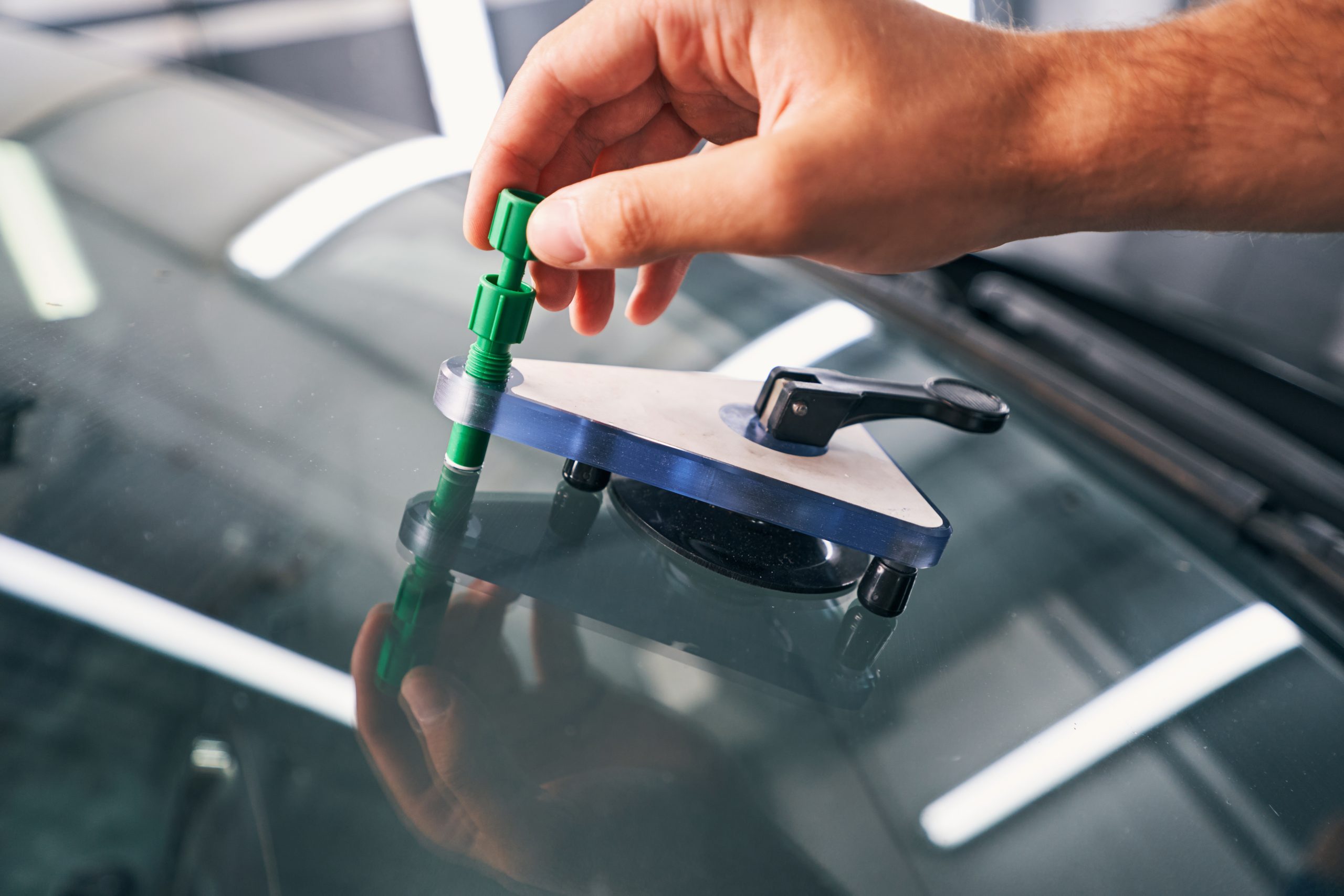
Fix the Windscreen Chip or Replace It?
It’s a common dilemma for drivers—should you repair the chip or replace the whole windscreen? Acting on the right option can save both time and money.
So, here’s how to decide when to fix a windscreen chip or go for a replacement:
- Repair – Ideal for chips smaller than 10mm in the driver’s line of sight or up to 40mm elsewhere on the glass.
- Replace – It is necessary if the chip is larger, near the windscreen edge, or directly obstructs your vision.
- Legal Consideration – Damage in the “A-zone” (driver’s direct view) can fail an MOT if not repaired properly.
- Professional Input – A trained technician can assess whether the damage is structural or cosmetic.
- Insurance Tip – Many policies cover chip repair without excess, making it the quicker, cheaper option when possible.
Making the right call between repair and replacement ensures both safety and MOT compliance—without overspending.
Thinking about booking an MOT test? Read the MOT inspection manual: cars and Passenger Vehicles by the UK’s Department for Transport to understand the standard windscreen requirements to pass your MOT.
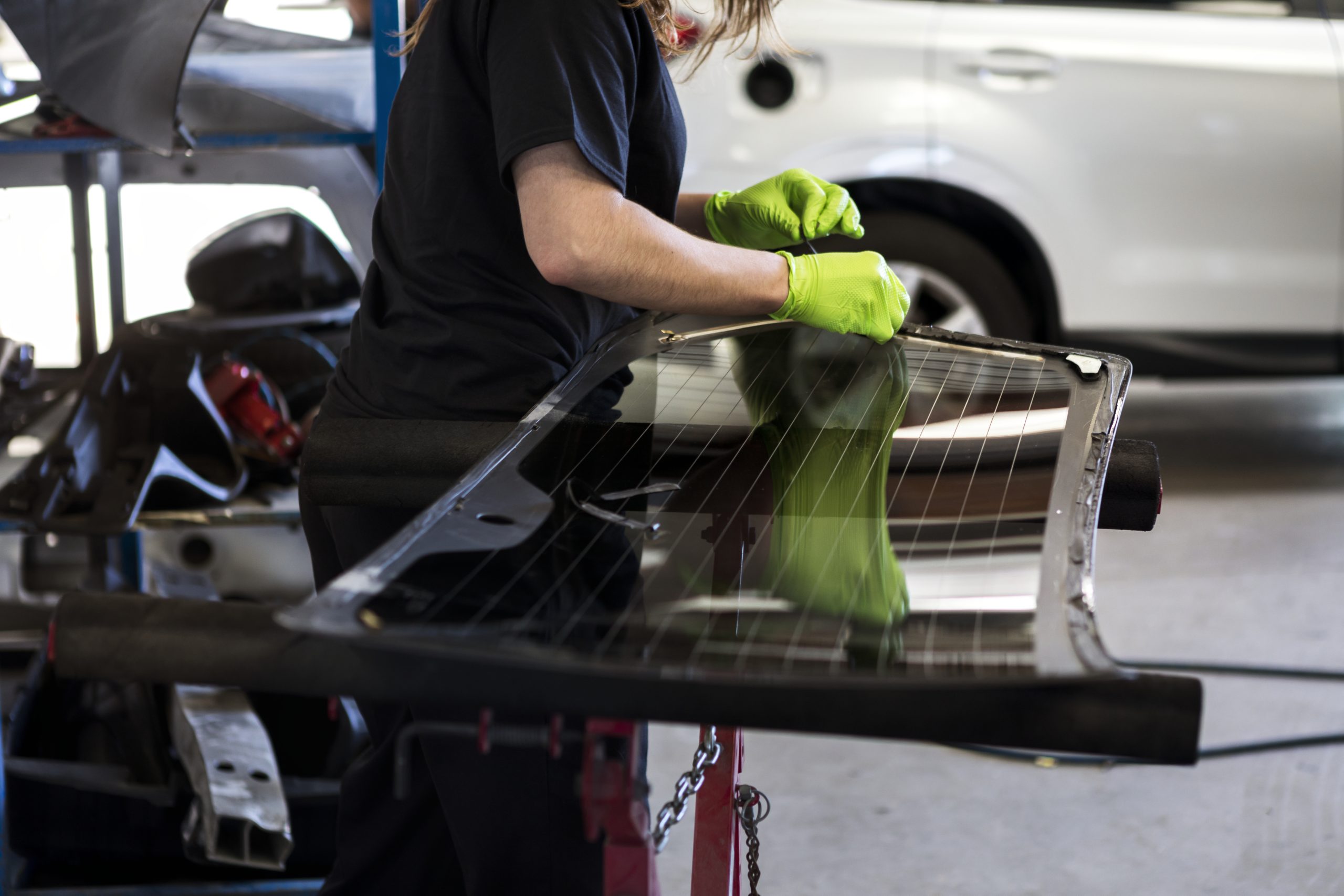
What’s the Real Windscreen Replacement Cost in the UK?
A chipped windscreen might be cheap to fix, but a full replacement? That’s where costs can climb. Knowing the difference can help you budget wisely and avoid surprises.
So, here’s what to expect when it comes to windscreens and what affects the cost:
- Chip Repairs – Generally cost between £50 and £150, and are often covered by comprehensive insurance.
- Full Windscreen Replacement – Typically ranges from £200 to £500 in the UK, depending on your car’s make, model, and features.
- ADAS Recalibration – Cars with advanced driver assistance systems may require recalibration, adding £100+ to the cost.
- Insurance Cover – Many insurers cover repairs and even replacement, but always check your policy for windscreen clauses.
- Local Service Centre – If you’re getting a windscreen fix in Acton, our team works with top UK insurers to help minimise your out-of-pocket expenses.
By knowing what influences your windscreen replacement cost, you can make an informed decision and avoid paying more than necessary.
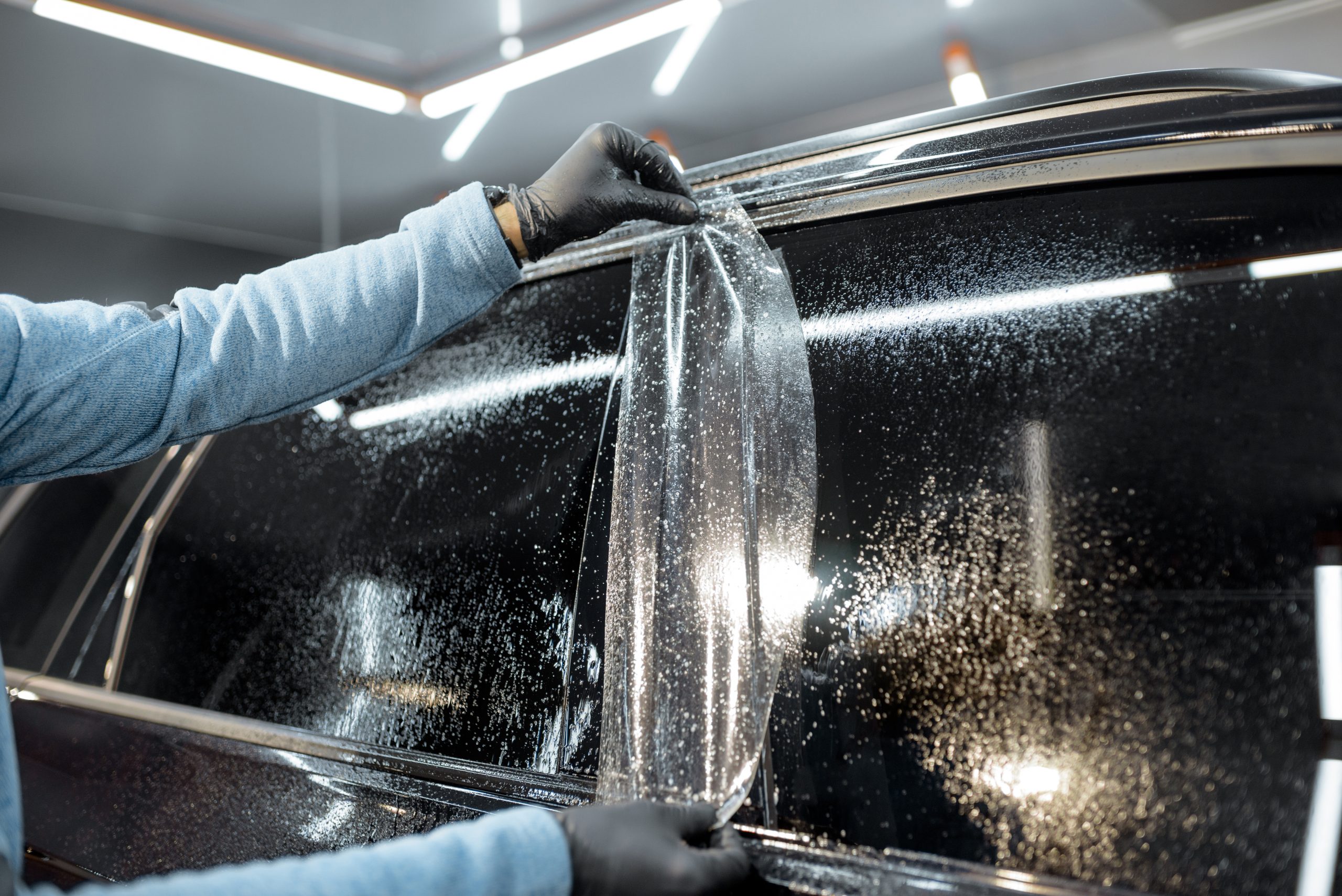
How to Prevent Chips and Cracks in the First Place
A cracked windscreen doesn’t just happen—it often results from preventable habits or conditions. Taking small precautions can help you avoid expensive repairs later.
So, here are simple ways to prevent a cracked windscreen before it starts:
- Keep Your Distance – Stay well behind lorries and vans, especially on motorways, to avoid flying debris.
- Avoid Thermal Shock – Don’t blast the heater or demister on a cold windscreen—gradual warming is safer.
- Park Smart – Use a garage, carport, or shaded area to reduce glass stress from heat and cold.
- Inspect Regularly – Look for small chips during routine washes or servicing before they spread.
- Drive Gently – Avoid potholes and rough terrain where possible to reduce glass vibration.
Preventing a cracked windscreen takes just a bit of awareness—but it can save you hundreds in repairs or replacement.
Conclusion
Whether you’re dealing with a chipped windscreen or a full-blown crack, quick action can save you money—and ensure your car stays road-legal.
In short, knowing when to opt for a windscreen chip repair versus a full replacement is crucial. With expert service from Acton Service Centre, you can trust that your vehicle’s visibility, safety, and MOT readiness are all in good hands.
FAQs
Q1: Is it legal to drive without a windscreen in the UK?
A: No, it’s not legal to drive without a windscreen unless the vehicle has been specifically designed to operate without one. A missing or damaged windscreen can also lead to MOT failure and safety risks.
Q2: How long does a windscreen chip repair take?
A: Most repairs take less than 30 minutes and can often be done while you wait.
Q3: Will my insurance cover windscreen repairs?
A: Most comprehensive UK car insurance policies include windscreen repair, often with no impact on your no-claims bonus.
Q4: Can I fix a windscreen chip at home?
A: DIY kits are available, but professional repairs ensure MOT compliance and better long-term results.
Book an appointment with Acton Service Centre today for expert windscreen repair, MOT-ready results, and expert car care that you can rely on.



Leave a Message
You must be logged in to post a comment.