


Engine Oil Guide: Viscosity & Specs Explained
When it comes to maintaining your car’s engine, selecting the right engine oil is crucial. This comprehensive guide will help you navigate the complexities of engine oil viscosity and specifications, ensuring your vehicle runs smoothly and efficiently.
Why Engine Oil Matters

Engine oil serves several essential functions:
- Lubrication: Reduces friction between moving parts.
- Cooling: Helps dissipate heat from engine components.
- Cleaning: Removes contaminants and prevents sludge buildup.
- Protection: Prevents corrosion and wear on engine parts.
Using the wrong oil can lead to reduced performance, increased wear and tear, and potentially costly repairs.
Good read: When should you change the oil?
Understanding Viscosity
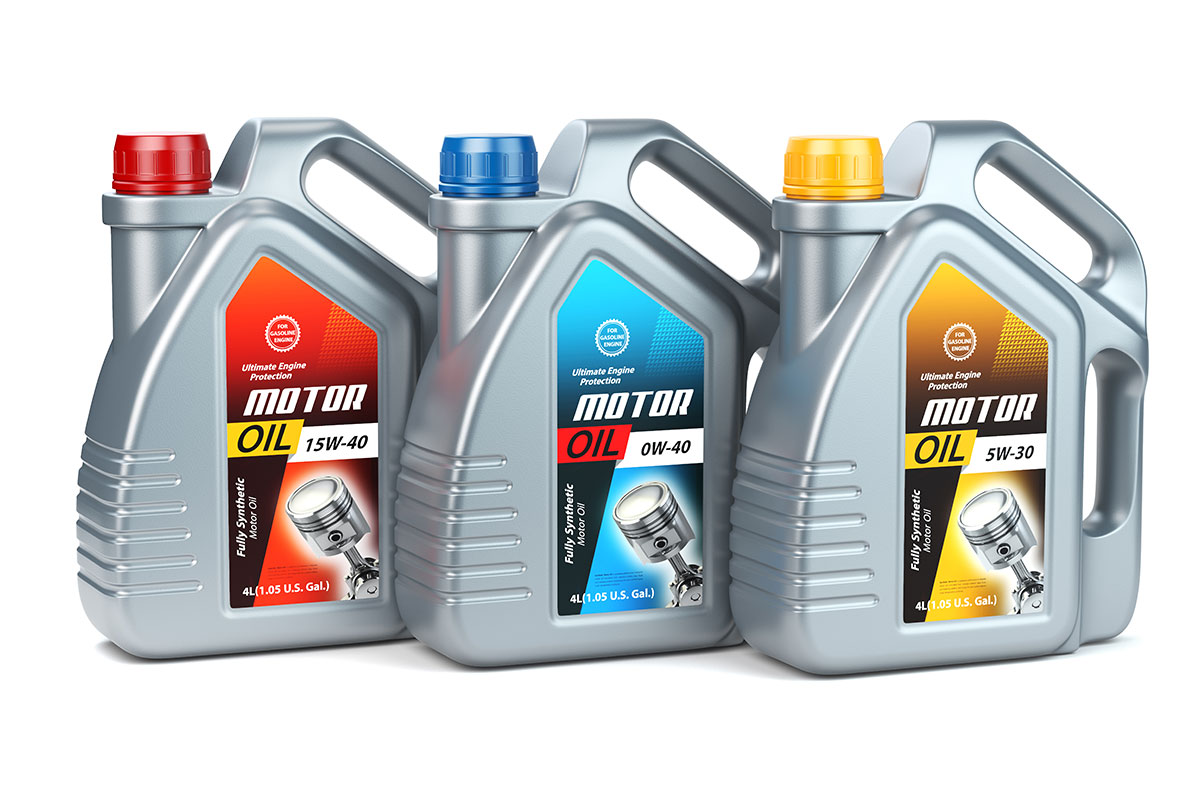
Viscosity is the measure of an oil’s resistance to flow. It’s indicated by a two-part code, such as 5W-30:
- The first number (e.g., 5W): Represents the oil’s viscosity at low temperatures. The “W” stands for “winter,” and the lower the number, the better the oil will flow in cold conditions.
- The second number (e.g., 30): Indicates the oil’s viscosity at high temperatures. A higher number means thicker oil at the engine’s operating temperature, providing better protection.
Common Oil Grades

Different cars require different oil grades based on their engine design and operating conditions:
- 5W-30 and 5W-40: Commonly used in modern petrol and diesel engines, offering good protection across a wide range of temperatures.
- 0W-20 and 0W-30: Often recommended for newer engines with tighter tolerances, providing excellent flow at low temperatures and improved fuel efficiency.
- 10W-30: A versatile grade suitable for many older engines and moderate climates.
Types of Engine Oil

There are three main types of engine oil, each with distinct advantages:
- Conventional Oil: Made from refined crude oil, it’s suitable for everyday driving but requires frequent changes due to faster degradation.
- Synthetic Oil: Chemically engineered to provide superior protection and performance. It offers better resistance to breakdown and extreme temperatures, making it ideal for high-performance and turbocharged engines.
- Synthetic Blend: A mix of synthetic and conventional oils, providing a balance of performance and affordability. It’s commonly used in many modern vehicles.
Engine Oil Specifications

In addition to viscosity, you must consider the oil’s specifications, which indicate its performance standards. These specifications are set by various organizations, including:
- API (American Petroleum Institute): API ratings (e.g., SN, SM) ensure the oil meets specific performance criteria.
- ACEA (European Automobile Manufacturers’ Association): ACEA specifications (e.g., A3/B4) cater to European car requirements.
- ILSAC (International Lubricant Standardization and Approval Committee): ILSAC standards (e.g., GF-5) focus on fuel economy and emission system protection.
How to Choose the Right Oil

- Check the Owner’s Manual: Your vehicle’s manual will specify the recommended oil grade and specifications. This is the most reliable source of information for your car.
- Consider Your Driving Conditions: For frequent short trips, city driving, or extreme weather, synthetic oil may offer better protection. Conventional oil may suffice for less demanding driving conditions.
- Consult with Experts: When in doubt, consult a mechanic or use oil selection tools provided by oil manufacturers and automotive service centres.
Frequently Asked Questions
Q1- How do I choose engine oil viscosity?
Viscosity is critical for proper engine lubrication. Refer to your vehicle’s manual for the recommended viscosity. The first number indicates cold weather performance, and the second number indicates hot weather performance.
Q-2 What is engine oil specification?
Specifications indicate the oil’s performance standards set by organizations like API, ACEA, and ILSAC. Always choose an oil that meets your vehicle’s recommended specifications.
Q-3 What are the 5 common oil viscosity grades?
The most common viscosity grades are 0W-20, 5W-20, 5W-30, 10W-30, and 10W-40, catering to different temperatures and engine types.
Q-4 What is one consideration for selecting engine oil?
Always consider the manufacturer’s recommendation in the owner’s manual, which accounts for your car’s engine design and typical driving conditions.
Q-5 What are the qualities of good engine oil?
Good engine oil provides excellent lubrication, heat resistance, contaminant removal, and protection against wear and corrosion.
Q-6 What are the criteria for engine selection?
Engine selection criteria include oil viscosity, type (conventional, synthetic, or blend), and specifications (API, ACEA, ILSAC ratings).
Q-7 What are the four basics of an engine?
The four basics of an engine are intake, compression, power, and exhaust. These processes are critical for engine operation.
Q-8 What are the three basic engine requirements?
Engines require proper lubrication, cooling, and cleaning to function effectively and efficiently.
Q-9 What are the four things an engine needs?
An engine needs fuel, air, spark, and proper lubrication to operate smoothly.
Conclusion
Choosing the right engine oil involves understanding viscosity, specifications, and the needs of your specific vehicle. By following your vehicle’s manual and considering your driving conditions, you can ensure your engine remains well-protected and performs optimally. For further guidance, consult automotive experts or use online tools from reputable oil manufacturers.
For professional assistance and quality service, book an appointment with us: Acton Service Centre.




Leave a Message
You must be logged in to post a comment.