


EV Car Battery Care Explained
Table of Contents
- Introduction
- Understanding EV Car Battery Capacity
- The Truth About EV Battery Lifespan
- EV Car Battery Maintenance UK – What Every Driver Should Know
- EV Battery Replacement UK and Costs Explained
- Common Electric Car Battery Issues
- Conclusion
- FAQs
Introduction
Your EV car battery is the lifeblood of your electric vehicle. Without it, the car simply wouldn’t move. Yet, for many drivers, what goes on inside that heavy pack of cells remains a mystery. Is it just like a phone battery but bigger? How long does it last? And, most importantly, how can you avoid unexpected breakdowns or high replacement bills?
In this guide, I’ll walk you through everything you need to know: from battery capacity to lifespan, from maintenance practices in the UK to the real costs of replacement. Whether you’re a new EV owner or thinking about making the switch, this is the mechanic’s guide to keeping your electric car healthy.
Understanding EV Car Battery Capacity
When people talk about an EV’s performance, EV car battery capacity comes up right away. It’s measured in kilowatt-hours (kWh), and simply put, it tells you how much energy your battery can store. The bigger the capacity, the longer the range.
Think of it like filling a water tank. A larger tank means you can run longer before needing a refill. Similarly, a 60 kWh battery offers more driving miles compared to a 40 kWh one. However, external factors like driving style, outside temperature, and even whether you’re blasting the air conditioning can affect how far your EV goes on a full charge.

The Truth About EV Battery Lifespan
One of the biggest concerns new drivers have is understanding the real ev car battery lifespan, because replacing a battery can be a significant expense. In most cases, modern electric vehicle batteries are built to last between eight and fifteen years, although the exact figure will depend on how the car is driven, how often it is charged, and the climate it operates in.
In the UK, for instance, where temperatures remain relatively moderate throughout the year, batteries generally perform better and survive closer to the higher end of that range.
However, it is important to remember that gradual battery degradation in EV cars cannot be avoided. Much like a smartphone battery that slowly loses capacity after repeated charging cycles, the cells inside an electric vehicle battery will naturally hold less energy over time. The encouraging part is that manufacturers understand this concern, which is why most offer a solid battery warranty electric car owners can rely on. These warranties usually provide coverage for up to eight years or around one hundred thousand miles, which gives drivers valuable peace of mind and protection against sudden and costly failures.
For further insights, check out this AutoTrader guide on electric car batteries.
EV Car Battery Maintenance UK – What Every Driver Should Know
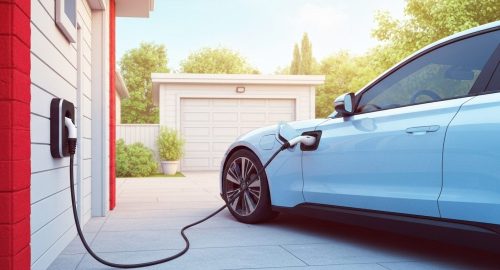
Many drivers ask if there’s special care required for EV battery maintenance uk. The answer is yes, although it’s simpler than you might think. Unlike petrol engines, there’s no oil to change or exhaust to clean. Instead, it’s about charging habits and environmental care to keep your ev car battery in top condition.
Here are a few golden rules:
- Avoid deep discharges: Don’t let your battery drop to 0% too often.
- Charge sensibly: Using rapid chargers daily can accelerate wear; mix in slower charging when possible.
- Keep it cool: Batteries dislike extreme heat or cold. Parking in shade or garages helps.
- Schedule health checks: Many garages now offer an ev battery health check near me, ensuring everything runs efficiently.
Following these habits not only extends the battery’s life but also helps maintain resale value when it’s time to change cars.

EV Battery Replacement UK and Costs Explained
Let’s face it: the phrase ev battery replacement uk can cause a shiver down any driver’s spine. But how much does it really cost?
The truth is, it depends on your vehicle model. Some small batteries can cost around £5,000–£7,000, while premium models might exceed £15,000. That’s why understanding electric vehicle battery costs in the UK is vital before buying second-hand.
The bright side? Replacement is rare. In fact, EV batteries are designed to outlast most car owners’ needs. And when issues do occur, options like second hand ev battery uk or affordable ev battery repair services uk can soften the financial blow.
Common Electric Car Battery Issues
Just like any other vehicle component, an ev car battery is not immune to problems. While they are generally reliable, certain electric car battery issues can appear over time. The good news is that most of these are manageable when caught early.
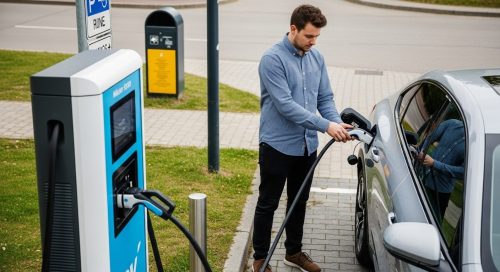
One of the most noticeable problems is reduced range, which often signals aging cells or poor charging habits. In addition, warning lights on the dashboard may point to faulty cells or internal charging errors that require professional attention. Sometimes drivers also face charging difficulties, although these can be linked to ev charging stations rather than the battery itself. However, there are more serious warning signs to watch for. Common signs of EV battery failure include sudden and unexpected drops in charge, unusual overheating during use, or strange noises when the car is plugged in.
Therefore, just as you would never skip an MOT for a petrol or diesel car, it is wise to schedule routine battery health checks. Regular inspections not only reduce the risk of breakdowns but also help prevent small issues from developing into costly repairs, giving you confidence every time you get behind the wheel.
Conclusion
Your ev car battery doesn’t have to be a mystery. With the right knowledge, you can extend its lifespan, spot issues early, and avoid unnecessary replacement costs. From understanding capacity to smart maintenance, the power really is in your hands.
If you’re in the UK and want peace of mind, why not book a professional health check? At Acton Service Centre, we’ll help you keep your electric car running smoothly for years to come.
FAQs
Q1. How long do ev car batteries last?
Most last 8–15 years depending on usage, climate, and maintenance. In the UK, moderate weather helps extend lifespan.
Q2. How many volts is a ev car battery?
Most EVs use batteries rated between 300–400 volts, though some modern models exceed 800 volts for faster charging.
Q3. Are ev car batteries recyclable?
Yes. Most EV batteries can be recycled, with materials like lithium, cobalt, and nickel reused to make new batteries.
Q4. How much does it cost to replace an ev battery in a car?
Costs in the UK range from £5,000 to over £15,000 depending on the model and battery size.
Q5. What kind of battery is used in ev cars?
Most electric cars use lithium-ion batteries because they’re energy-dense, efficient, and rechargeable.
Book an appointment at Acton Service Centre today for a full ev car battery health check.




Leave a Message
You must be logged in to post a comment.