


Car Battery Check: Know Your Battery’s Health
Introduction
Let’s be honest—there’s never a “good” time for your car to refuse to start. Whether you’re late for work or heading out on a road trip, a dead battery is always a massive inconvenience. But what if you could prevent the problem before it even begins? With a simple car battery check, you can do just that.
And the best part? You don’t need to be a mechanic. This guide will walk you through everything you need to know—from spotting the early warning signs to doing a full car battery health check right from your driveway. So, if you’re wondering how to keep your car battery in good shape and avoid unexpected hiccups, you’re in the right place.
Let’s dive in!
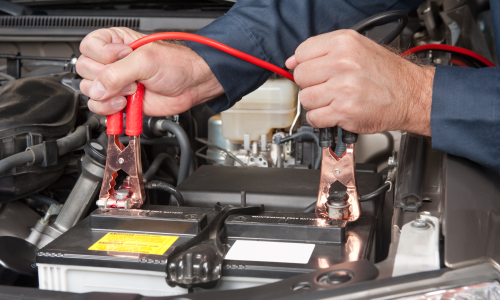
Signs of a Bad Car Battery You Shouldn’t Ignore
So, how do you know when your battery is about to give up? Well, the truth is, it usually doesn’t happen out of the blue. In most cases, your car drops subtle hints that something’s wrong—if you know what to look for.
Common symptoms of a failing battery include:
- Slow engine crank – If it takes longer than usual to start your car.
- Dim headlights – Especially when the engine is off.
- Dashboard lights flickering – A classic red flag.
- Weird electrical issues – Radio resets, power windows moving sluggishly.
- Rotten egg smell – Yes, really. That’s Sulphur, and it’s a bad sign.
- Battery warning light – Don’t ignore it; it’s trying to help you!
Therefore, if you notice any of these car battery problems symptoms, don’t wait around. Conduct a quick car battery check to see what’s going on before you end up stuck calling for roadside assistance.
And if you’re curious to understand even more about what’s happening under the bonnet, don’t miss our article on important facts about car batteries—it’s packed with insights every driver should know.

How to Perform Car Battery Check and Health Test at Home
You don’t need a fancy setup to perform a basic car battery health check. In fact, all you need is a digital multimeter, a few minutes of your time, and the steps below.
Step-by-step instructions:
- Turn off your car completely.
- Pop the bonnet and locate the battery.
- Set your multimeter to 20V DC.
- Place the red probe on the positive terminal (+) and the black probe on the negative terminal (-).
- Read the display. Here’s how to interpret it:
- 12.6V to 12.8V = Fully charged and healthy.
- 12.4V to 12.5V = Slightly low, but still usable.
- 12.0V to 12.3V = Weak and needs attention.
- Below 12.0V = Time to recharge or replace.
Additionally, if the reading drops significantly when you turn on the headlights, it’s another warning sign.
➡ Pro Tip: If you don’t have a multimeter, no worries—you can still keep your battery in check. Many garages across the UK can help diagnose battery issues during routine servicing.
For more expert advice, check out RAC’s battery health tips for a detailed breakdown of what affects battery life and performance.

Car Battery Maintenance Tips to Extend Its Life
We get it—checking your battery isn’t exactly thrilling. However, following regular car battery maintenance tips can save you from unnecessary replacements and avoidable repairs.
Here’s what you can do:
- First, drive your car regularly – Short trips drain more than they charge.
- Also, avoid electronics when the engine’s off – That means no music sessions on the driveway.
- Next, keep the terminals clean – Use a mixture of baking soda and water for corrosion.
- In addition, tighten loose connections – A loose cable can stop the battery from charging properly.
- Lastly, protect from extreme temperatures – Park in a garage when possible.
Ultimately, not only do these habits improve battery life, but they also help you catch any signs of a bad car battery before they escalate into something more serious.
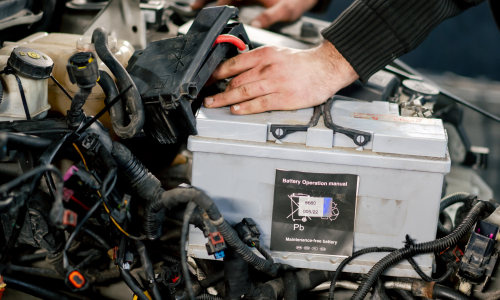
What Causes Car Battery Problems (and How to Prevent Them)
It’s no mystery that car batteries wear out over time. Nevertheless, certain habits or conditions can accelerate the process. By being aware of them, you can better plan your car battery check routine and avoid unexpected failures.
Common causes of battery failure:
- To begin with, age – Most batteries last between 3 to 5 years.
- Additionally, weather – Cold temperatures slow chemical reactions in the battery.
- Moreover, short drives – Your alternator doesn’t get enough time to recharge the battery.
- Not to mention, parasitic drain – Devices like dash cams or GPS units can slowly sap power.
- Finally, a faulty alternator – If it’s not charging properly, the battery doesn’t stand a chance.
The good news? One simple solution is to make a battery check part of your routine servicing schedule. And if you’re in West London, the experts at Acton Service Centre can help you keep everything running smoothly.
Conclusion
To sum it all up, your car battery might not be the flashiest part of your vehicle, but it’s one of the most essential. Doing a regular car battery check ensures you’re not left stranded or facing a costly fix. With just a few simple tools and a bit of awareness, you can stay ahead of any issues before they turn into major problems.
Whether you’re keeping an eye out for car battery problems symptoms, performing a DIY car battery health check, or following handy car battery maintenance tips, a bit of effort goes a long way.
FAQs
Q1. How to check car battery health?
A: Use a multimeter set to 20V DC. With the car off, connect red to positive and black to negative terminal. A healthy battery should read between 12.4V and 12.7V.
Q2. How long does a car battery last?
A: In the UK, most batteries last 3 to 5 years. However, doing a routine car battery check every few months can help monitor its health and avoid sudden failure..
Q3. How much does a new car battery cost?
A: A new car battery typically costs between £60 and £150 in the UK. Prices vary by size and brand, but regular car battery checks can help you delay replacement by maintaining battery health longer.
Q4. How to check car battery with multimeter?
A: Set your multimeter to 20V DC, place probes on the battery terminals (red to +, black to -), and read the voltage. Between 12.6V–12.8V means your battery is in good shape.
Q5. How to replace a car battery?
A: Turn off the car, disconnect the negative terminal first, then the positive. Remove the old battery, place the new one, and reconnect the terminals in reverse order (positive first).
Book a Car battery Check appointment with Acton Service Centre today and drive with confidence!


Leave a Message
You must be logged in to post a comment.