


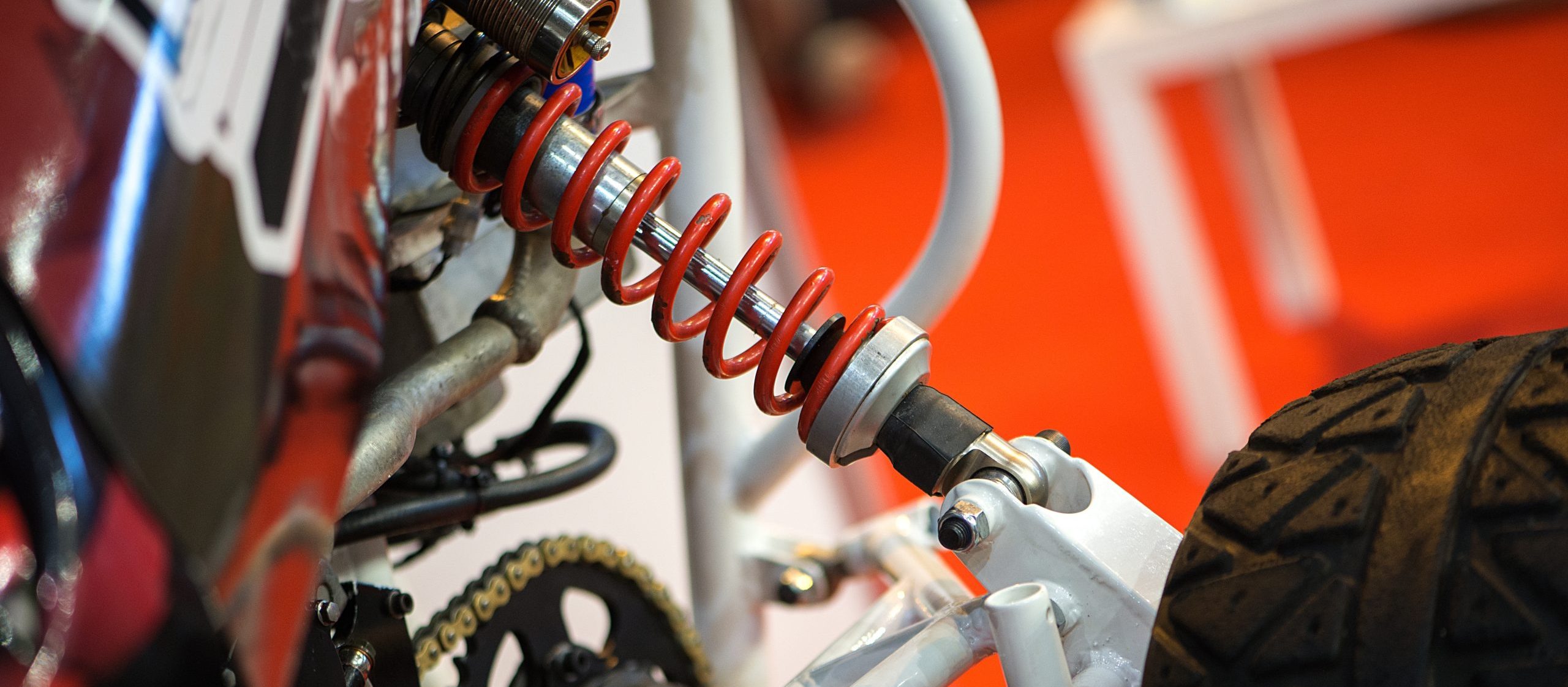
Car Suspension Repair: Indicators, Pricing & Fixes
Your car suspension system is crucial in ensuring a smooth and stable ride. It absorbs shocks from the road, keeps your tyres in contact with the ground, and provides overall car control.
However, over time, wear and tear can lead to car suspension issues that affect handling, safety, and comfort.
Ignoring suspension problems can lead to expensive repairs and even compromise your safety on the road. In this guide, we’ll explore how to identify car suspension problems, the costs associated with repairs, and the best solutions to keep your suspension in top condition.
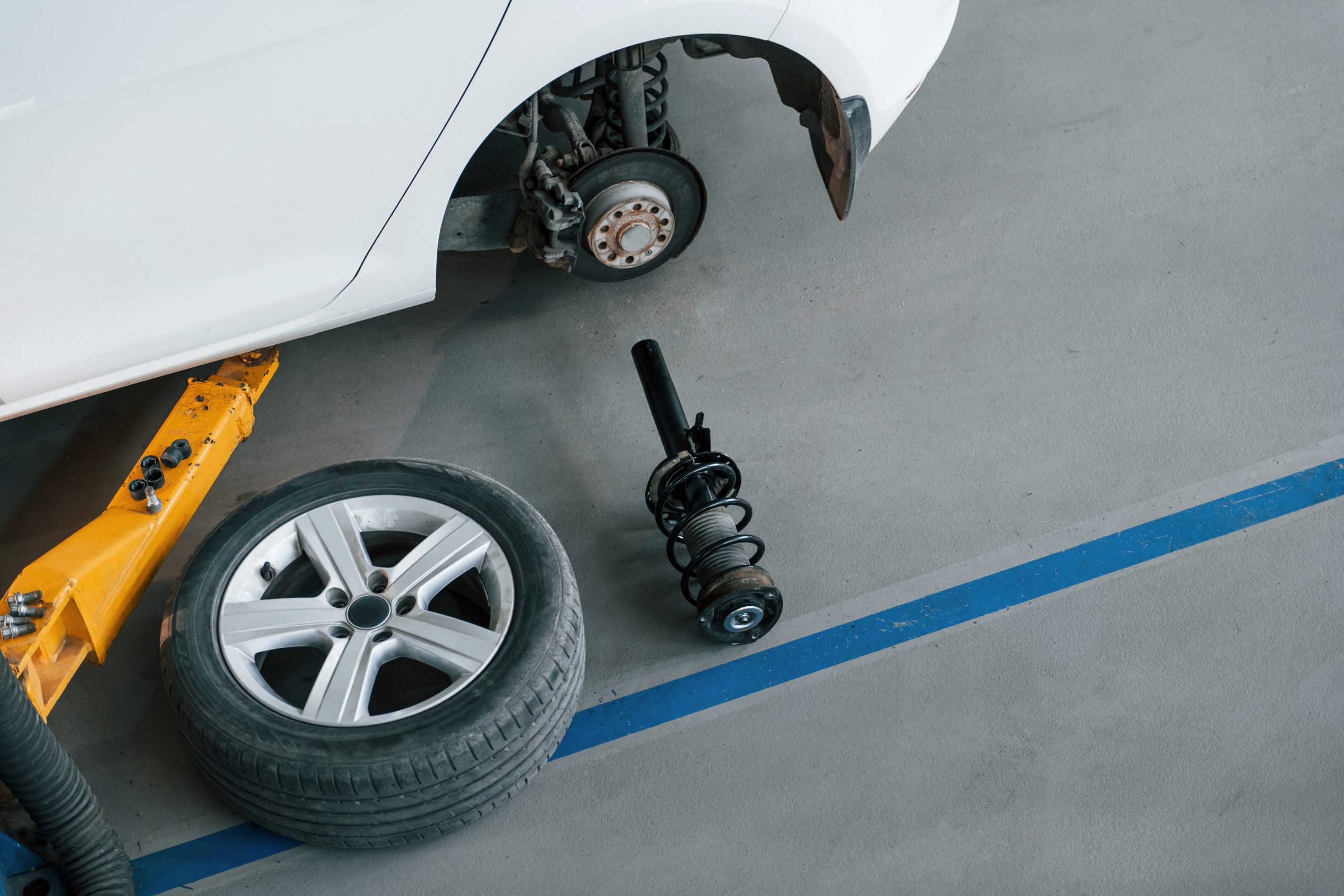
How to Identify Car Suspension Problems?
Spotting car suspension issues early can save you money and prevent further damage. Here are some common warning signs that indicate problems with your suspension:
- Excessive Bouncing – If your car bounces excessively after hitting a bump, your shock absorbers or struts may be worn out.
- Uneven Tyre Wear – Poor alignment or faulty suspension can cause uneven tyre tread wear.
- Drifting or Pulling to One Side – If your car pulls to one side while driving, it could indicate worn suspension components or alignment issues.
- Knocking or Clunking Sounds – Unusual noises when driving over bumps may signal loose or damaged suspension parts.
- Dipping When Braking – If your car’s front end dips when braking, your suspension system may need servicing.
If you notice any of these signs, it’s crucial to seek servicing to avoid costly damage and ensure a safe driving experience.
Still curious about your car’s suspension problem? For a deeper dive into the mechanics, check out our blog: Car Suspension Explained – How does it work?
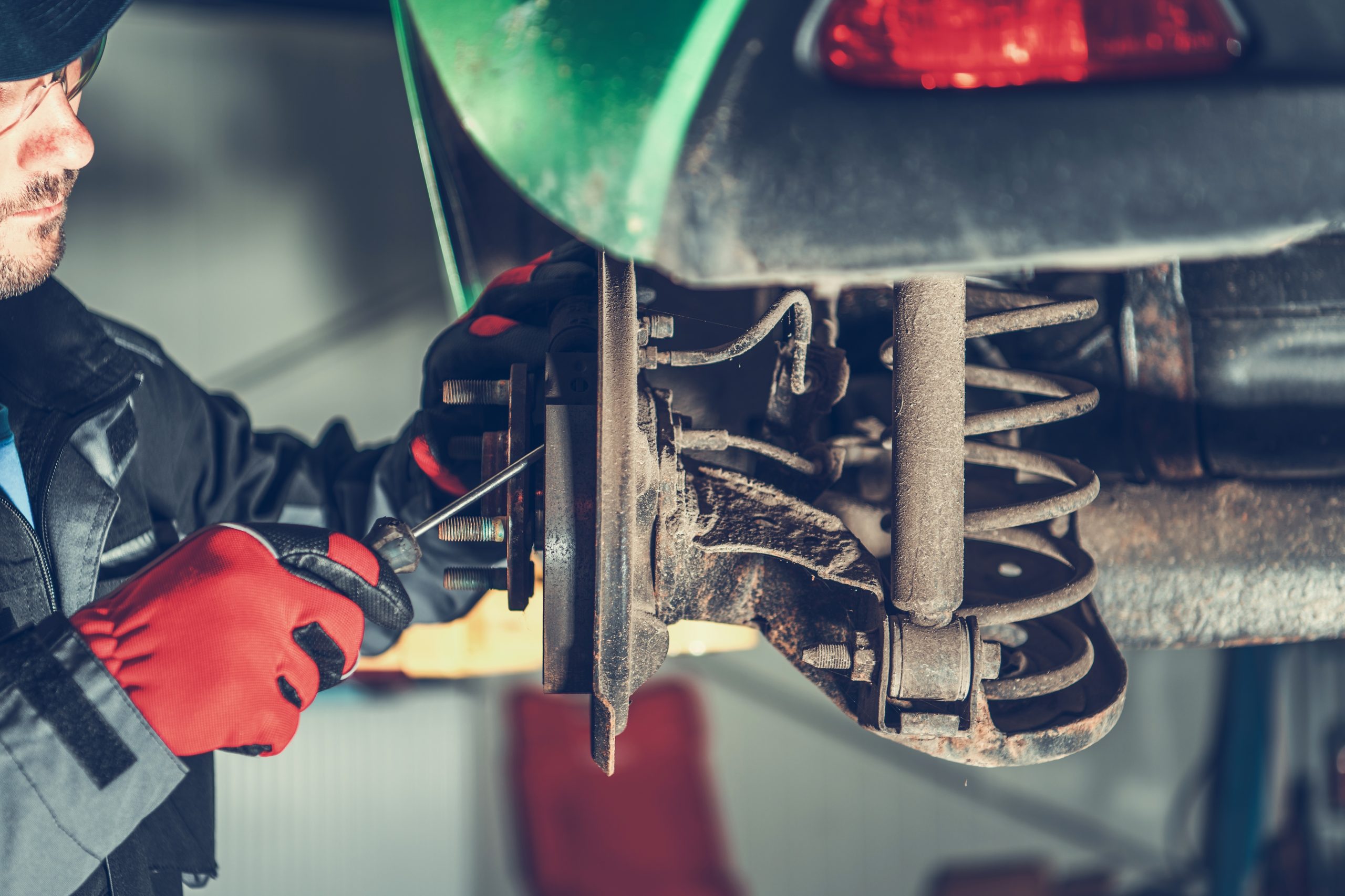
How Often Should You Service Your Car Suspension?
Keeping your suspension system in top shape requires routine maintenance and timely servicing. Here’s when you should have your suspension checked:
- Every 20,000-30,000 Miles – Most manufacturers recommend suspension inspections within this mileage range to detect potential wear and tear.
- After hitting a Pothole or Curb, a sudden impact can misalign or damage suspension components, leading to uneven handling.
- If You Notice Steering or Handling Issues, such as Difficulty steering, vibrations, or a pulling sensation while driving, it could indicate worn-out suspension parts.
- Before Long Road Trips – Checking your suspension before a long journey ensures a smoother and safer ride.
- If Your Ride Feels Rougher Than Usual – A bumpy, uncomfortable ride may mean your shocks or struts are failing.
Addressing these key moments during servicing can extend the lifespan of your vehicle’s suspension system and enhance overall driving comfort.
Want to dig deeper into the tell-tale signs that your suspension needs attention and the cost for car suspension change? Click here.
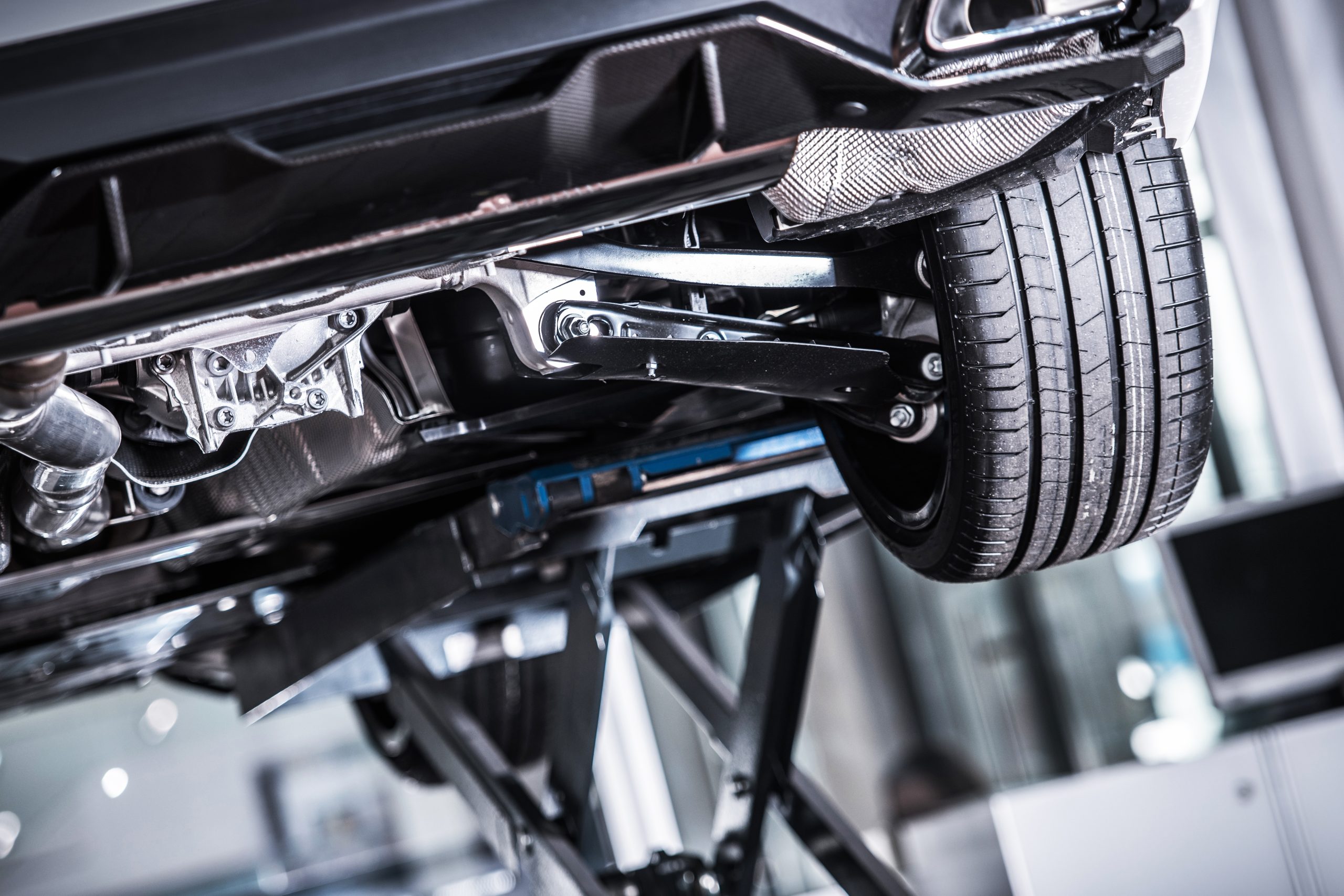
How Much Does Car Suspension Repair Cost?
Repairing your car’s suspension can vary in price depending on the severity of the issue and the type of vehicle you drive. Here are five key factors that influence the cost of suspension repairs:
- Type of Repair Needed – Simple fixes like shock absorber replacements are cheaper than a complete suspension overhaul.
- Vehicle Make and Model – Luxury or performance vehicles often have more expensive suspension components.
- Labour Costs – Rates differ between dealerships, independent garages, and mobile mechanics.
- Parts Availability – Rare or specialised suspension parts may take longer to source and increase costs.
- Extent of Damage – The longer a suspension issue is left unresolved, the higher the potential repair costs.
The cost breakdown according to different parts replacement:
Repair Type | Estimated Cost (UK) |
Shock Absorber Replacement | £150 – £600 |
Coil Spring Replacement | £200 – £500 |
Control Arm Repair | £250 – £800 |
Full Suspension System Overhaul | £1,000 – £3,000 |
For an accurate estimate, it’s best to consult a trusted mechanic specialising in car suspension servicing.
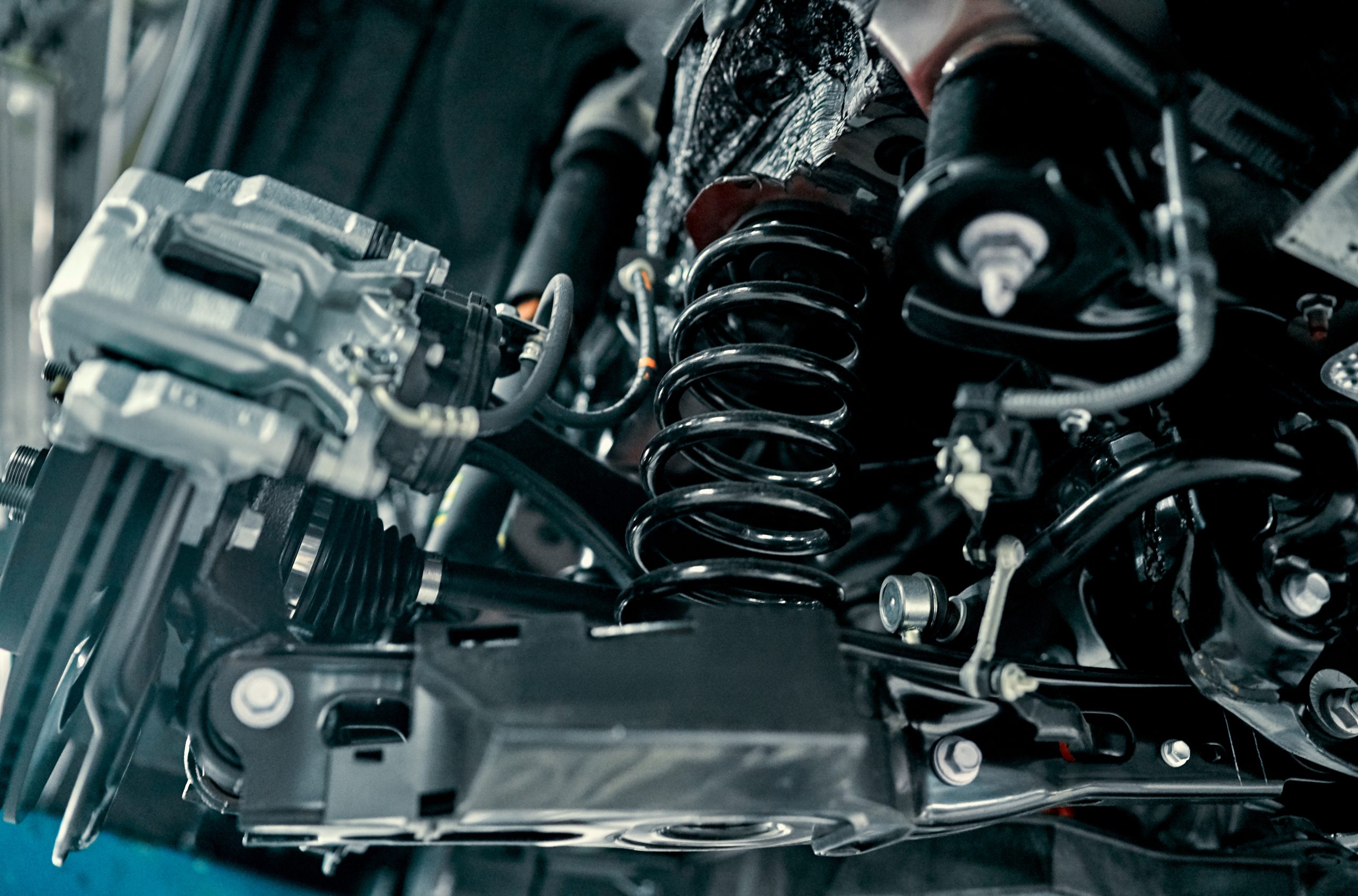
How to Fix Car Suspension Problems at Home?
If you’re experiencing car suspension issues, there are a few maintenance steps you can take at home before heading to a professional mechanic. Here’s what you can do:
- Check Tyre Pressure and Alignment – Uneven tyre wear can indicate suspension problems. Ensure tyres are properly inflated and aligned.
- Inspect for Leaks and Damage – Look for leaking shocks, cracked coil springs, or damaged bushings under your car.
- Test the Bounce – Push down on each corner of the car; if it bounces more than twice, the shocks may be worn out.
- Tighten Loose Bolts – Suspension components can loosen over time. Secure any visible bolts and connections.
- Lubricate Moving Parts – Some suspension components, such as ball joints, require occasional lubrication to reduce wear.
While these steps can help identify minor issues, complex repairs like strut replacement or control arm repair should be handled by a professional. If problems persist, seek car suspension servicing from a trusted garage.
Conclusion
Your car suspension system plays a vital role in vehicle safety, handling, and ride comfort. Understanding how to identify car suspension problems and seeking timely servicing can prevent costly repairs and improve your driving experience.
If you notice any warning signs, don’t delay—schedule a professional suspension check to keep your car running smoothly and safely.
Don’t ignore suspension problems—ensure a smooth and safe ride with expert car suspension servicing at Acton Service Centre. Whether it’s minor adjustments or full repairs, professional technicians can restore your vehicle’s performance.
Book an appointment for a suspension check today, and stay road-ready!


Leave a Message
You must be logged in to post a comment.