


Full Car Service: The Complete Handbook
Regular vehicle maintenance is key to ensuring safety, performance, and longevity. A full service is designed to keep your car running efficiently, prevent unexpected breakdowns, and enhance fuel economy.
But what exactly does it include, and how often should you book one?
In this guide, we’ll explain what is included in a full car service, cover crucial maintenance tasks like oil change, brake repair, and battery tests, and help you understand why full servicing is essential for your vehicle’s health.
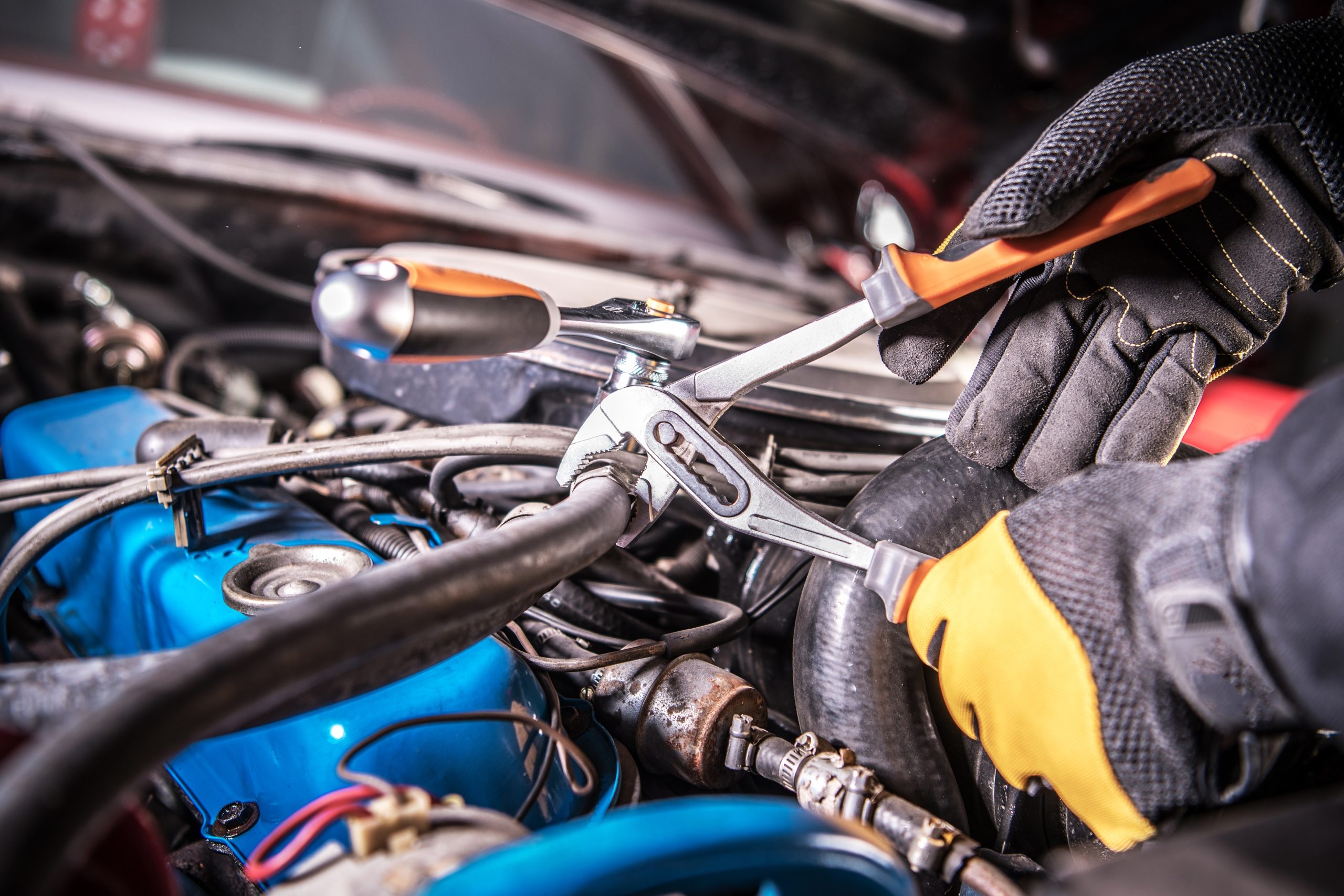
What Is Included In A Full Car Service?
A thorough inspection and maintenance procedure that checks and replaces key components of your vehicle is essential on a regular basis. Moreover, this service is recommended every 12 months or 12,000 miles to ensure optimal performance.
So, here are some key checks and replacements:
- Oil and Filter Change – Essential for engine health and efficiency.
- Brake Inspection – Ensures your braking system is functioning correctly and safely.
- Battery Test – Checks the battery’s charge and performance.
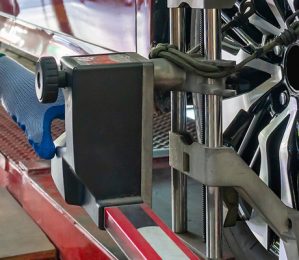
- Tyre and Wheel Alignment Check – Ensures even tyre wear and improved handling.
- Fluid Level Checks – Includes coolant, brake fluid, power steering, and windscreen washer fluids.
- Exhaust and Emissions Check – Ensures compliance with emission standards.
By ensuring these key areas are checked, this service will provide you with peace of mind and will help avoid costly repairs in the future.
So, are you looking to dive deeper into keeping your car in top shape? Don’t miss our blog Car Repair and Maintenance Guide: Essential Tips for Owners, for expert advice.
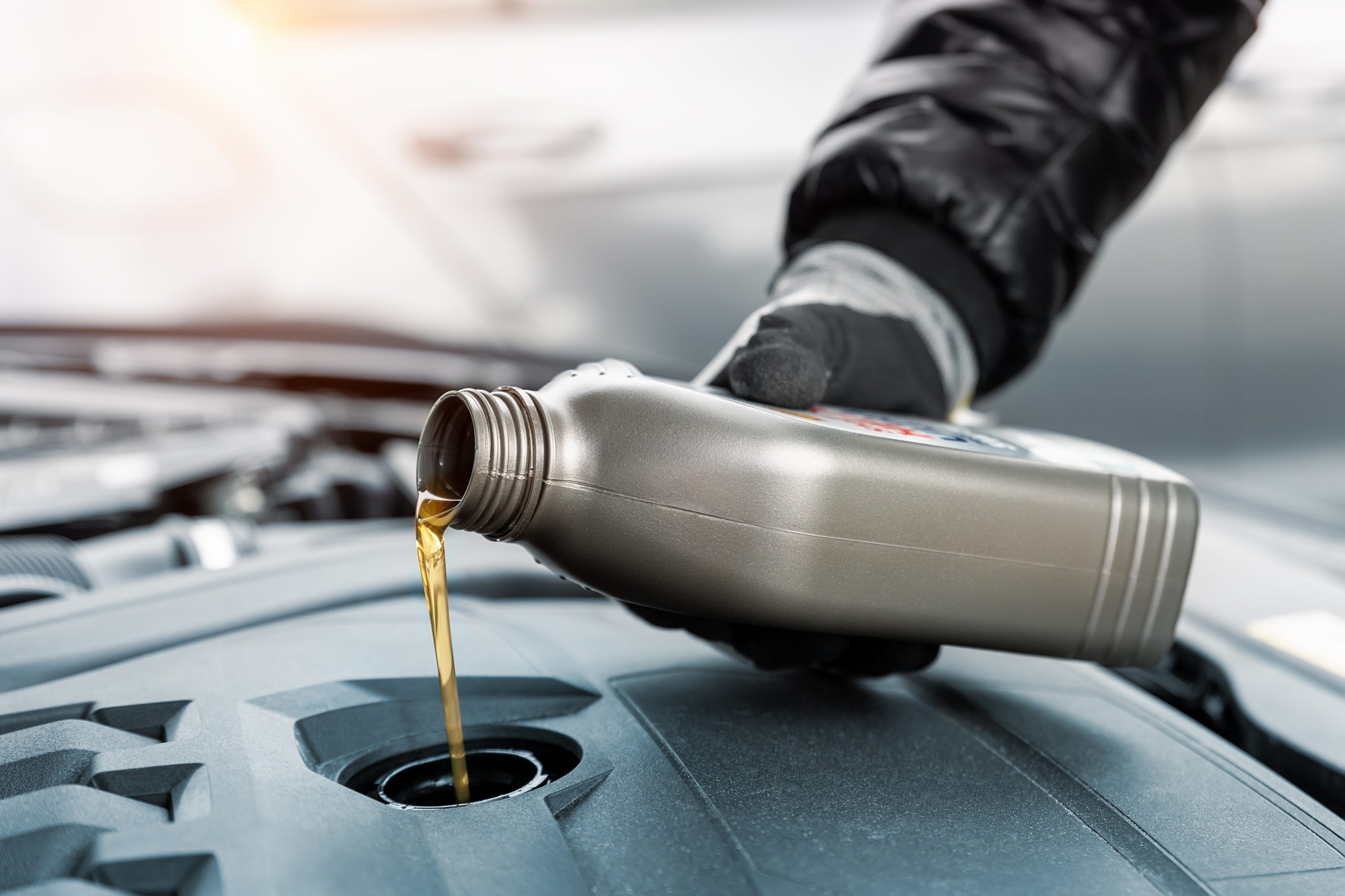
Why Is An Oil Change Important In A Full Car Servicing?
In Addition, an oil change is one of the most crucial aspects of full car servicing. The engine oil lubricates moving parts, prevents overheating, and reduces wear and tear.
So, the signs that your oil needs changing are:
- Dark, Dirty Oil – Fresh oil is amber-coloured; dirty oil is thick and black.
- Engine Noises – A lack of proper lubrication can cause knocking or grinding sounds.
- Reduced Fuel Efficiency – Old oil makes the engine work harder, increasing fuel consumption.
- Warning Light on Dashboard – Many cars have an oil change indicator that lights up when servicing is due.
Regular oil changes help improve engine performance and longevity. Also, it prevents costly breakdowns.
Well, are you curious about how much an oil change might set you back this year? Check out our blog Average Cost of an Oil Change UK 2025 for up-to-date insights.
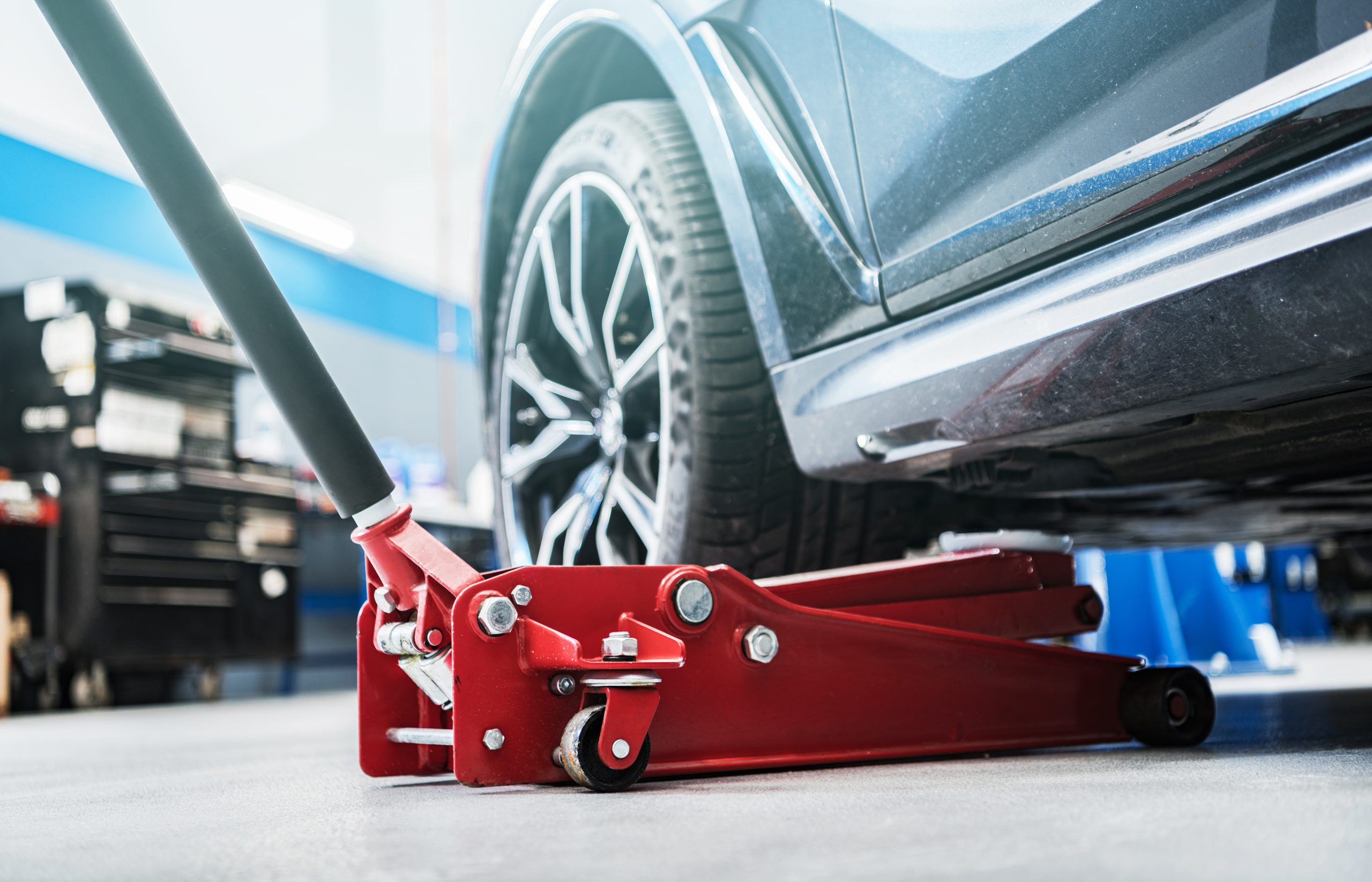
The Importance Of Brake Repair In Vehicle Servicing
Now, the braking system is a critical safety feature, and brake repair should never be ignored. A full car service includes a brake system inspection to detect any issues early.
Warning signs that your brakes need repair:
- Squeaking or Grinding Noises – Indicates worn brake pads or discs.
- Soft or Spongy Brake Pedal – This can be caused by air in the brake lines or low brake fluid.
- Vibrations When Braking – May indicate warped brake discs.
- Longer Stopping Distances – Reduced braking efficiency requires immediate attention.
Regular brake repair and maintenance ensure your safety on the road and improve overall vehicle handling and responsiveness.
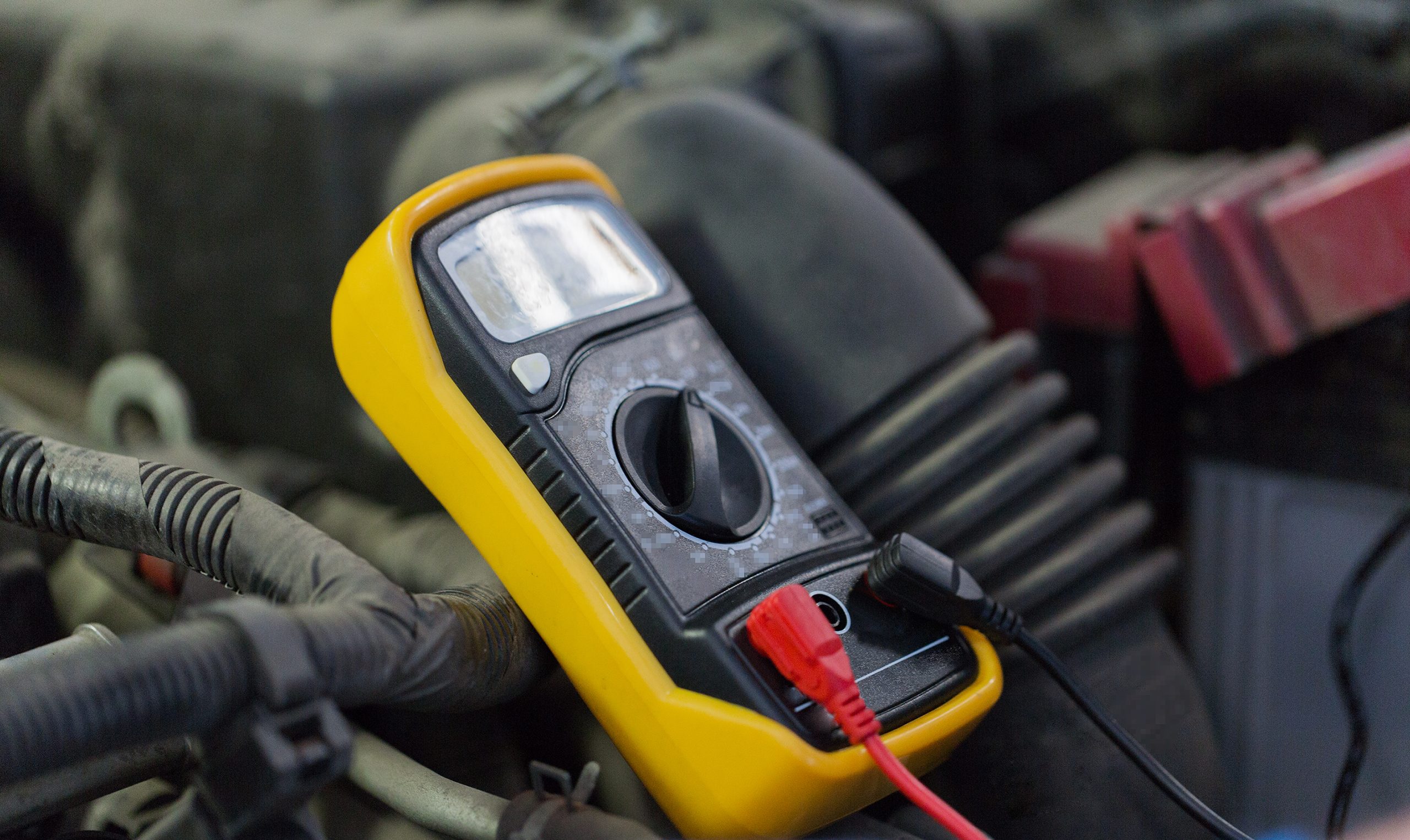
Why Is A Battery Test Essential In A Full Car Service?
A failing battery can leave you stranded unexpectedly. A battery test checks whether your car’s battery is holding a charge and functioning correctly.
Signs of a weak battery:
- Slow Engine Start – The engine struggles to turn over.
- Dim Headlights – Weak battery power reduces lighting efficiency.
- Electrical Issues – Malfunctioning power windows, radio, or dashboard lights.
- Battery Warning Light – Indicates charging system problems.
Regular battery tests during a car health checkup help prevent sudden battery failures and ensure your car starts reliably.
Conclusion
Therefore, a full car service is essential for maintaining your vehicle’s reliability, safety, and efficiency. Regular servicing, including oil change, brake repair, and battery test, helps detect issues early, reducing the likelihood of sudden breakdowns.
Additionally, keeping up with routine maintenance improves fuel efficiency, prolongs engine life, and enhances resale value. By understanding what is included in a full car check, you can ensure that your car remains in peak condition for years to come.
FAQ
Q1: Should I opt for a full car servicing or a major service?
A: It covers essential maintenance checks, while a major service includes additional replacements and inspections, recommended for high-mileage vehicles.
Q2: Is MOT the same as a full service?
A: No, an MOT is a legal requirement that checks roadworthiness, while servicing is regular maintenance to ensure optimal performance.
Q3: How often should I book a full service?
A: Most manufacturers recommend a full service every 12 months or 12,000 miles, but check your owner’s manual for specific guidelines.
Q4: Does a Full Car Service improve fuel efficiency?
A: Yes, a well-maintained car runs more efficiently, reducing fuel consumption and prolonging engine life.
Keep your vehicle running at its best with professional repairs and service at Acton Service Centre. Schedule your next service appointment with trusted experts to ensure your car stays safe, efficient, and road-ready!
Book an appointment today and keep your vehicle running smoothly!



Leave a Message
You must be logged in to post a comment.